
Why Aluminum 6063 Is the Best Alloy for Architectural Profiles
Date: 2026-04-14Views: 982
Why Is Aluminum 6063 the Best Choice?
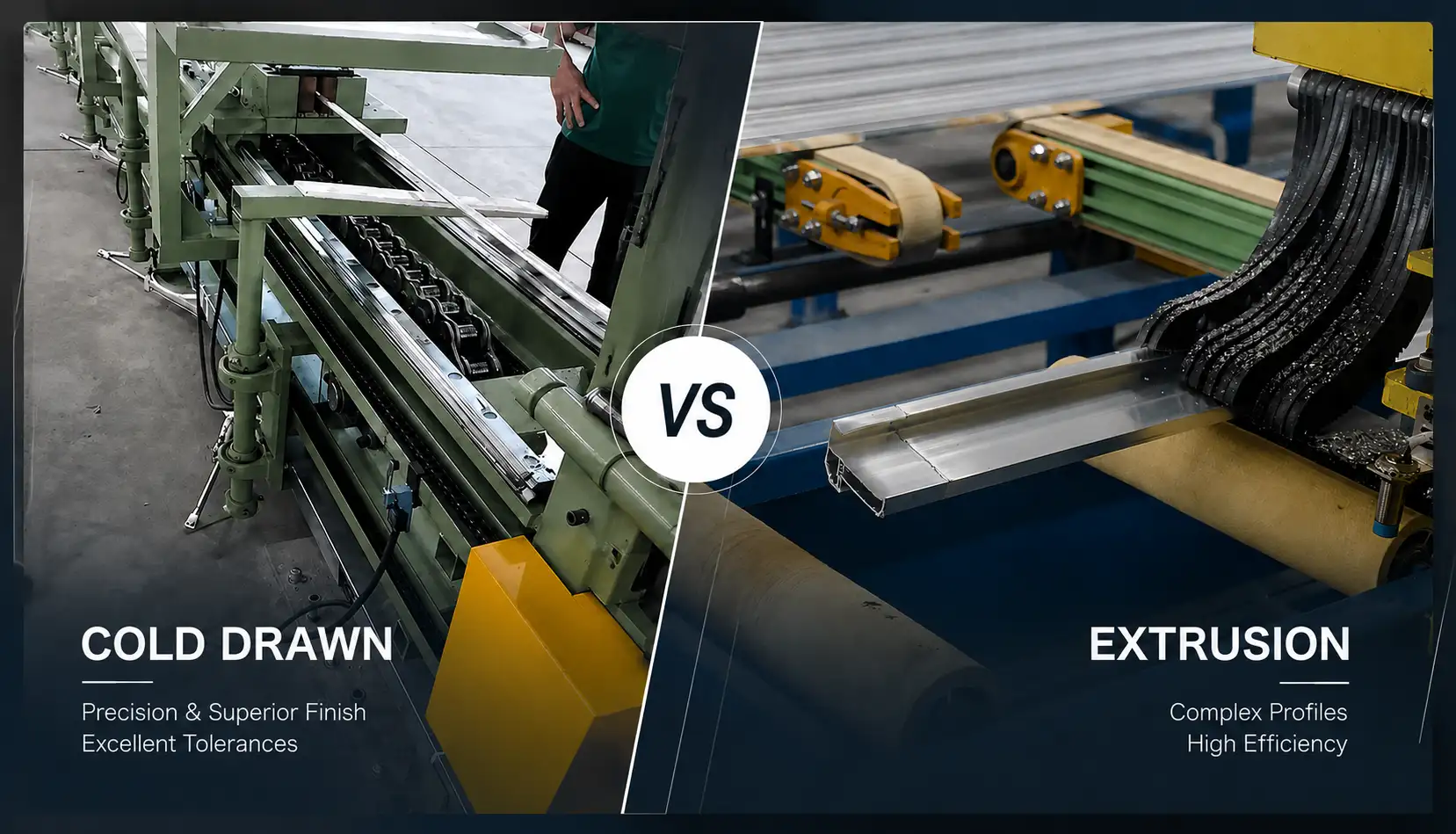
1. Aluminum 6063 Is Easily Extruded into Complex Shapes
The difficulty levels for extruding common aluminum alloy grades (ordered from easiest to hardest) are: Series 1 > 6063 > 6005A > 6061 > 6082 > Series 7.
- Series 1 Pure Aluminum: Texture is akin to "soft noodles"; while easy to squeeze, its strength is far too low for structural applications.
- 6063: Best described as "silky-smooth cream," its plasticity is perfectly balanced, making it the optimal solution for complex forming.
- 6005A: Resembling a volatile "middle-aged person," its hardness causes it to resist irregularly shaped cross-sections.
- 6061: Texture like a tough "gym bodybuilder"; it is highly prone to cracking when processing ultra-thin walls.
- 6082: A "rough strongman"; extrusion speed is slow, and surface finish quality is often suboptimal.
- Series 7 Alloys: Originally for fighter aircraft, using these for architectural profiles results in prohibitively high costs and waste.
2. 6063 T5 and T6: Strength and Wind Resistance
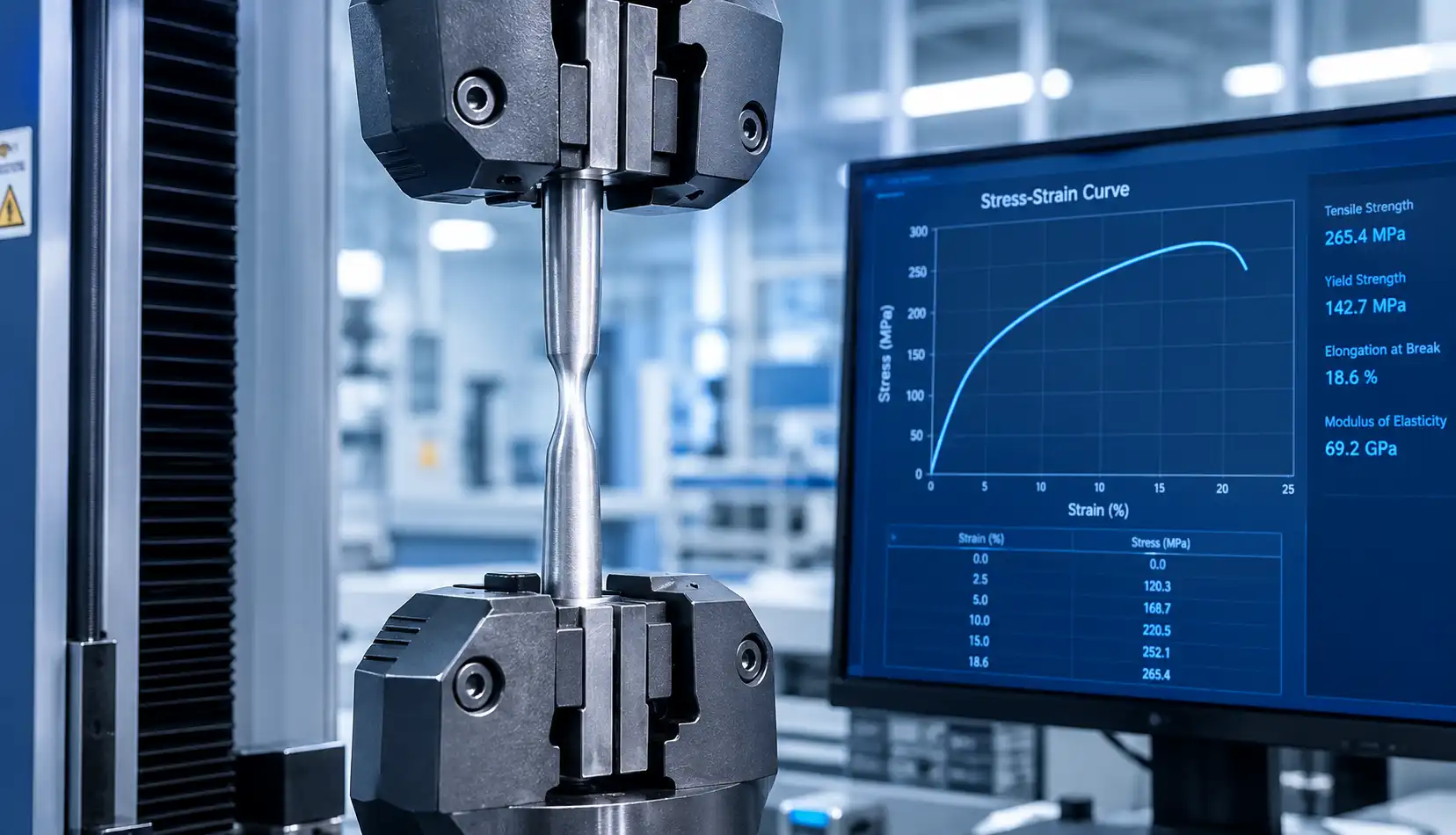
Following T5/T6 temper heat treatment, 6063 achieves the requisite compressive strength for architectural applications. It can stably withstand wind pressure loads—including forces from typhoons exceeding Category 10—while reliably supporting large glass panels without long-term deformation.
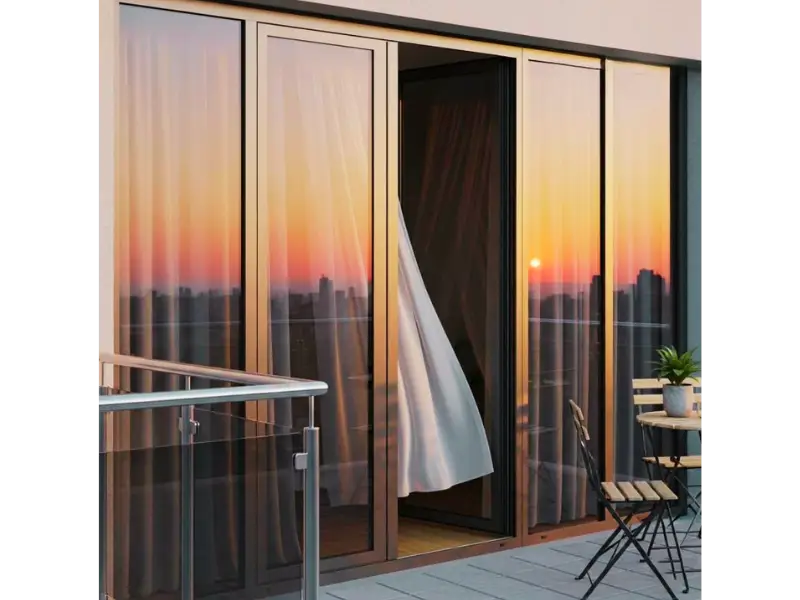
Premium 6063 aluminum sliding door systems with excellent weather resistance, high strength and smooth surface finish, ideal for high-end villas and residential projects in the Middle East.
3. AL6063: Superior Surface Treatment Results
- Compared to Series 1: Surfaces oxidize easily and exhibit uneven coloration.
- Compared to 6061 and 6082: Both possess high surface roughness, making them susceptible to defects.
- Compared to Series 7: Presents extreme difficulties in treatment, suffering from poor coating adhesion.
Conclusion: 6063 features a smooth, flawless surface. Whether subjected to anodizing, powder coating, or PVDF coating, it consistently achieves uniform coloration and a premium texture.
4. AL6063: High Dimensional Stability and Precision
The sealing performance of doors, windows, and curtain walls depends critically on dimensional stability:
- Series 1: Excessive plasticity leads to warping and air drafts in sandy climates.
- 6061 and 6082: Significant deformation due to thermal expansion, causing joints to widen.
- Series 7: High hardness and inherent brittleness; deformation is often impossible to repair.
5. Low Cost, Reasonable Pricing
Among common alloys, 6063 ranks as the second-lowest in price. Its strength lies in its exceptional overall cost-performance ratio: it offers transparency in processing costs and an extremely high yield rate. This ensures that every penny spent goes directly into the profile, rather than being wasted on expensive tooling or scrap.
6. High Recyclability, Low Energy Consumption
The production of 6063 requires low energy consumption and is 100% recyclable. It successfully meets the environmental requirements of modern green architecture and Middle Eastern project standards.
6063-T5 vs. 6063-T6: Which Is More Suitable?
For standard doors and windows, 6063-T5 is entirely sufficient. However, for curtain walls and coastal environments, 6063-T6 is mandatory.
- T5: Air cooling + simple aging. Easier to process and lower in cost.
- T6: Water quenching + full aging. Significantly higher hardness and resistance to sagging.
About Architectural Aluminum Profiles
Definition of Architectural Aluminum Profiles
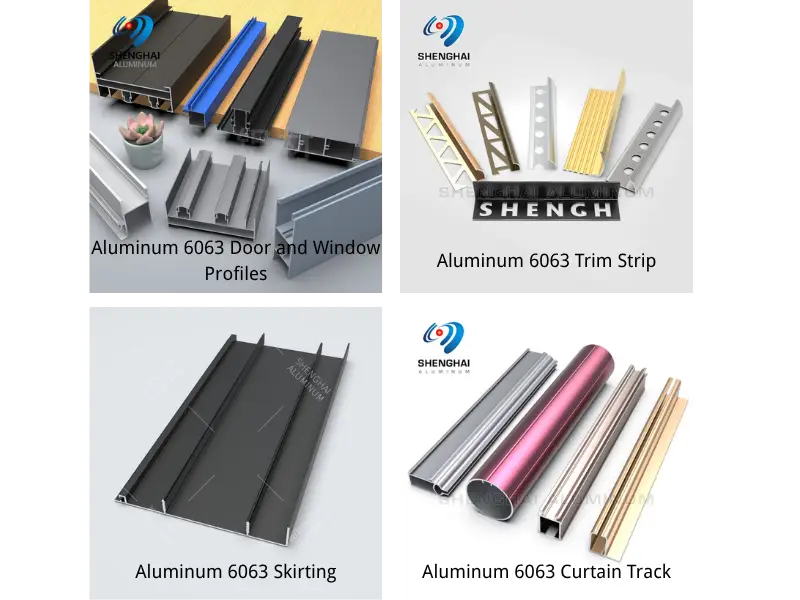
Architectural Aluminum Profiles = Materials used in construction + Made from aluminum alloy + Formed into long strips.
- Architectural: Specifically designed for building structures, curtain walls, facades, etc.
- Aluminum: The primary raw material is aluminum alloy, with 6063 being the most suitable.
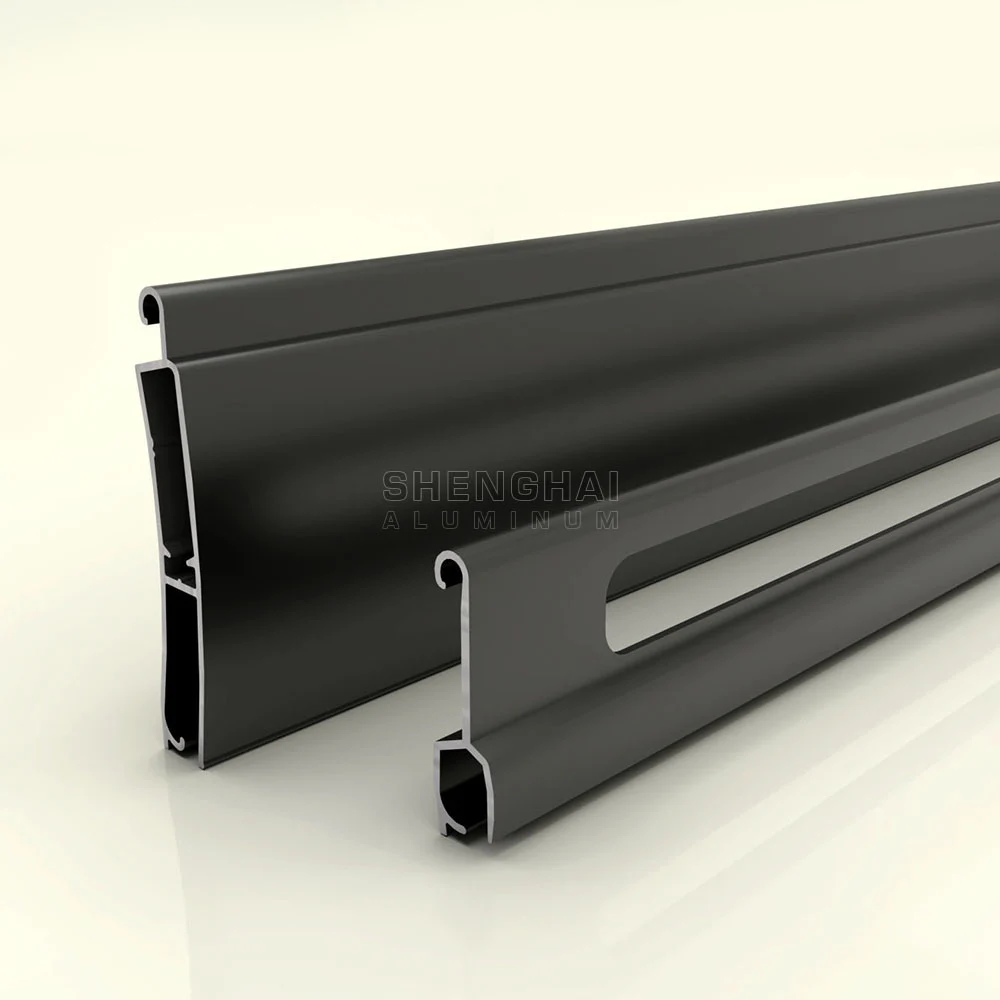
- Profiles: Long strips extruded to form fixed cross-sections like squares, channels, or tracks for thermal break strips.
Which Architectural Aluminum Profiles Are Best Suited for Aluminum 6063?
- Doors and Windows: The home turf of 6063. It allows for high-precision cavities as thin as 1.2 mm without cracking, ideal for ultra-narrow frames.
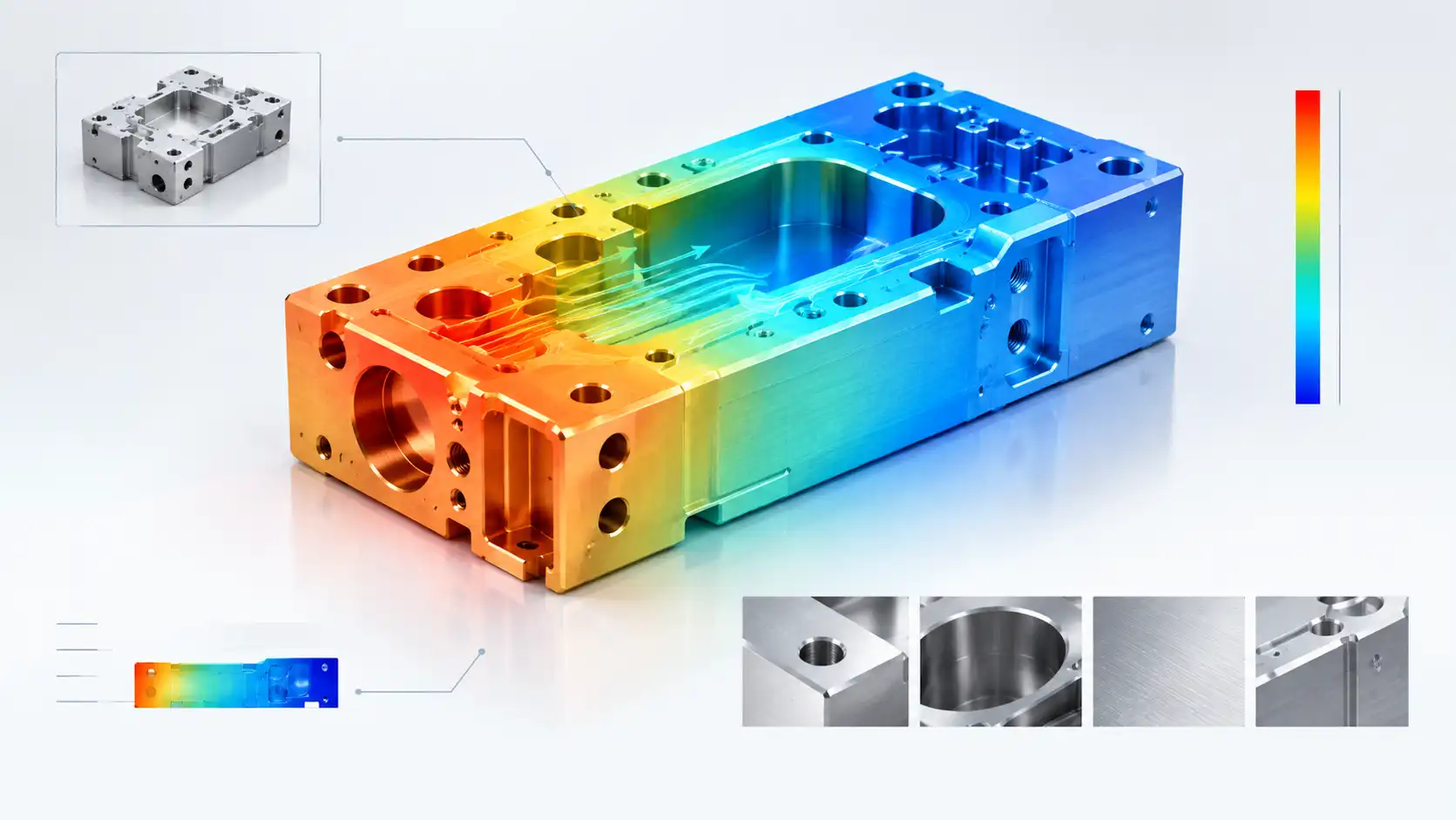
- Curtain Walls: To achieve the seamless look of frameless curtain walls, 6063's surface finish is flawless after anodizing.
- Thermal-Break Profiles: Only 6063 possesses the stability to form a rock-solid bond with PA66GF25 strips, ensuring the assembly remains airtight.
- Sunrooms & Roofing: The "Tough Guy" moment for 6063-T6. It possesses the hardness to safely support hundreds of kilograms of tempered glass.
- Decoration (Grilles, Square Tubes): Utilizing the T5 temper saves money while ensuring a uniform paint finish for decorative components.