
Aluminum Specific Heat Capacity Guide
Date: 2026-08-06Views: 717
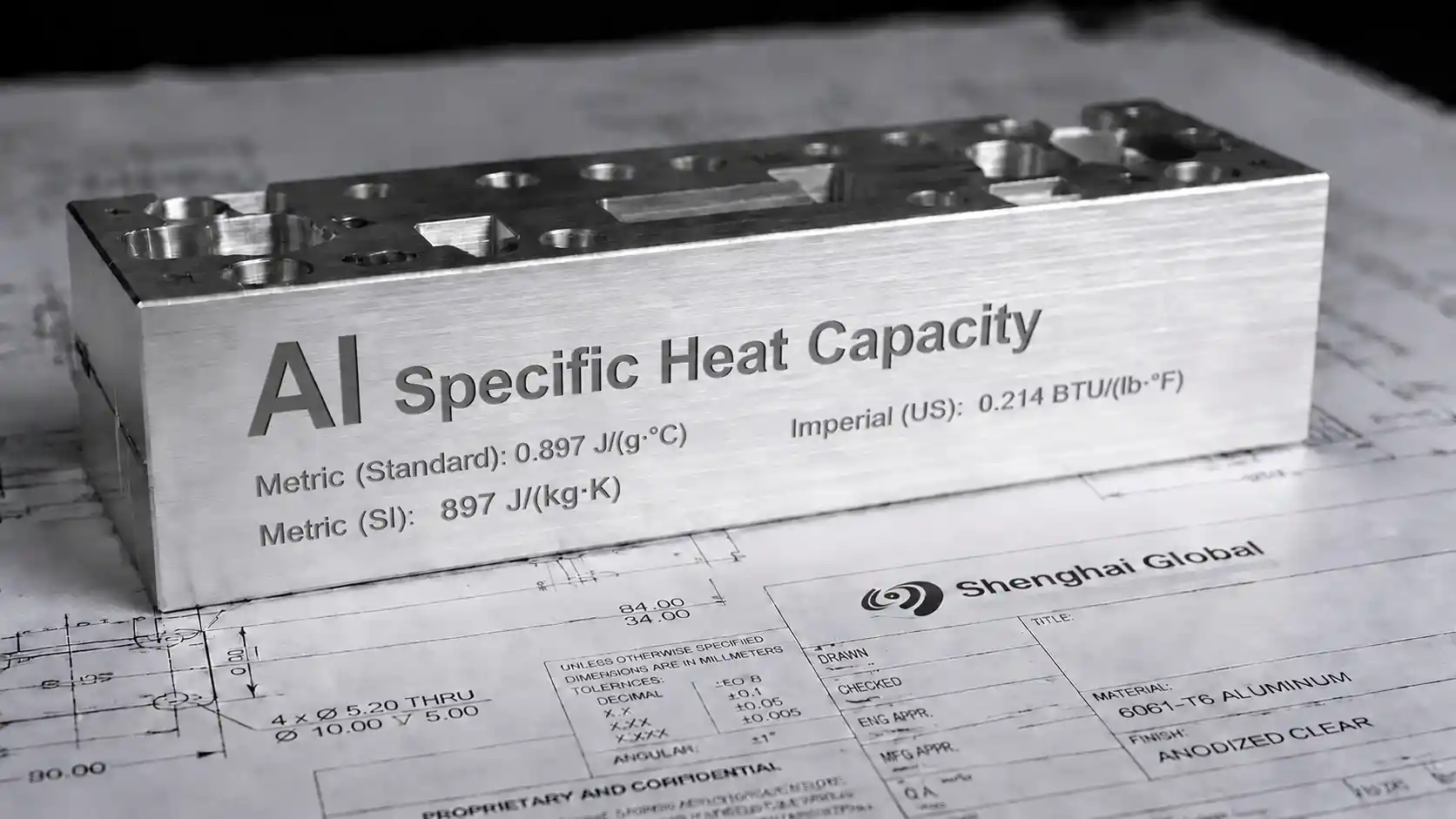
Engineers and material specifiers often need the exact thermal properties of aluminum for rapid project calculations. The specific heat capacity of pure aluminum at room temperature (25°C) is 0.897 J/(g·°C).
This fundamental property means it takes 0.897 joules of heat energy to raise the temperature of one gram of aluminum by one degree Celsius. This high thermal capacity is the primary reason aluminum is widely chosen for industrial thermal management.
Metric and Imperial Conversions
Global engineering projects require cross-system data compatibility. For engineers working across different regions, here is the exact thermal capacity of aluminum converted into standard industry units.
| Unit System | Specific Heat Value | Unit Measurement |
|---|---|---|
| Metric (Standard) | 0.897 | J/(g·°C) |
| Metric (SI) | 897 | J/(kg·K) |
| Imperial (US) | 0.214 | BTU/(lb·°F) |
Values for Common Alloys
Commercial aluminum is rarely pure. The addition of specific alloying elements tailors the material for different extrusion applications, from high-strength industrial frames to architectural thermal break profiles.
- Alloy 6063 (Architectural & Window Grade) approximately 0.900 J/(g·°C) — The industry standard for smooth surface finishes, custom door frames, and thermal break profiles.
- Alloy 6061 (Structural & Industrial Grade) approximately 0.896 J/(g·°C) — Offers higher yield strength, ideal for heavy-duty industrial frames, automation parts, and structural components.
- Alloy 6082 (High-Stress Structural Grade) approximately 0.890 J/(g·°C) — Features excellent corrosion resistance and high load-bearing capacity, frequently used in demanding curtain walls and transport applications.
- Alloy 6005 (Roller Shutter & Tubing Grade) approximately 0.895 J/(g·°C) — Provides optimal extrusion properties and rigidity, making it the preferred choice for roller shutter profiles and tubular components.
- Alloy 7075 (Aerospace & High-Performance Grade) approximately 0.960 J/(g·°C) — Maximum strength-to-weight ratio for specialized high-stress engineering applications.
Advanced Thermal Dynamics: Temperature-Dependent Specific Heat of Aluminum Alloys
While standard references list aluminum's specific heat capacity at a static room temperature of 25°C, real-world industrial environments subject extruded profiles to dynamic thermal fluctuations. Understanding how specific heat evolves across extreme temperature gradients is critical for advanced engineering design.
Dynamic Specific Heat Behavior Across Industrial Temperature Ranges
Unlike pure laboratory samples, commercial aluminum profiles experience lattice vibration shifts (phonon dispersion) as thermal energy changes. Below is an advanced engineering breakdown of how specific heat capacities shift under operational thermal loads:
| Operating Temperature | Specific Heat Range (J/kg·K) | Microstructural Behavior & Industrial Implication |
|---|---|---|
| Cryogenic Range (-196°C to 0°C) | 700 – 880 | Lattice vibrations slow down significantly, reducing specific heat. Critical for specialized aerospace and cold-chain transport profiles. |
| Ambient Baseline (25°C) | 897 (Standard Benchmark) | Standard reference point for general architectural and mechanical load calculations. |
| Elevated Operating Range (100°C to 300°C) | 910 – 940 | Phonon density increases. Essential threshold for automotive battery enclosures and industrial heat sinks managing sustained electrical or mechanical friction loads. |
| High-Stress Threshold (300°C to 500°C) | 940 – 960 | Approaching near-annealing thresholds. Thermal expansion coefficients spike, requiring precise expansion joints in curtain walls and structural frames. |
Material Thermal Comparison
When designing projects involving custom extrusions, roller shutters, or architectural framing, selecting the right metal requires balancing heat capacity, weight, corrosion resistance, and total material cost.
| Material | Specific Heat J/(g·°C) | Density (g/cm³) | Key Advantages Over Aluminum |
|---|---|---|---|
| Aluminum (Our Core Material) |
0.897 | 2.70 | Optimal balance: Ultra-lightweight, excellent corrosion resistance, high design flexibility for custom profiles, and superior heat management. |
| Copper | 0.385 | 8.96 | Faster thermal conductivity, but extremely heavy and cost-prohibitive for large architectural or structural projects. |
| Carbon Steel | 0.490 | 7.85 | High structural rigidity, but prone to corrosion and difficult to extrude into complex, lightweight architectural shapes. |
| Stainless Steel | 0.500 | 7.93 | Exceptional strength and hygiene, but very heavy, hard to machine, and lacks the efficient thermal performance required for modern thermal break systems. |
| Brass | 0.380 | 8.50 | Beautiful decorative finish, but heavy and expensive, making it impractical for large roller shutters or curtain walls. |
-
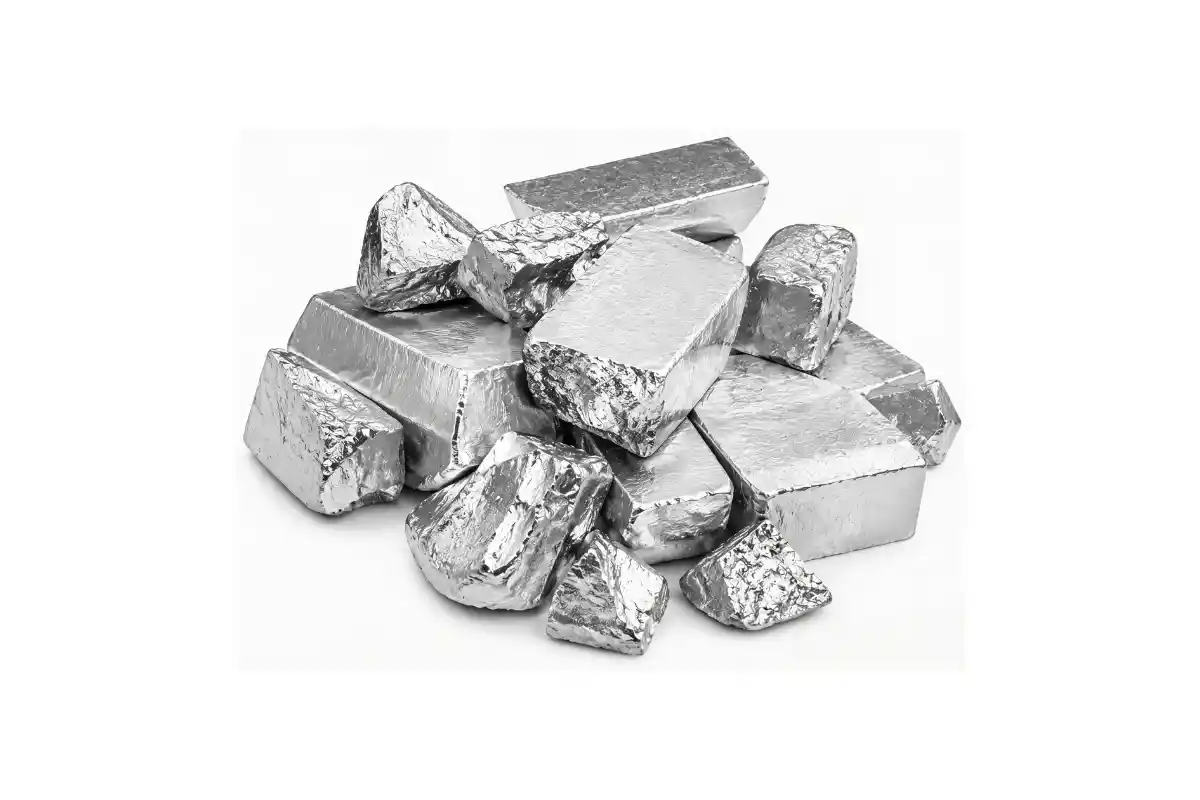
- Raw aluminum
-
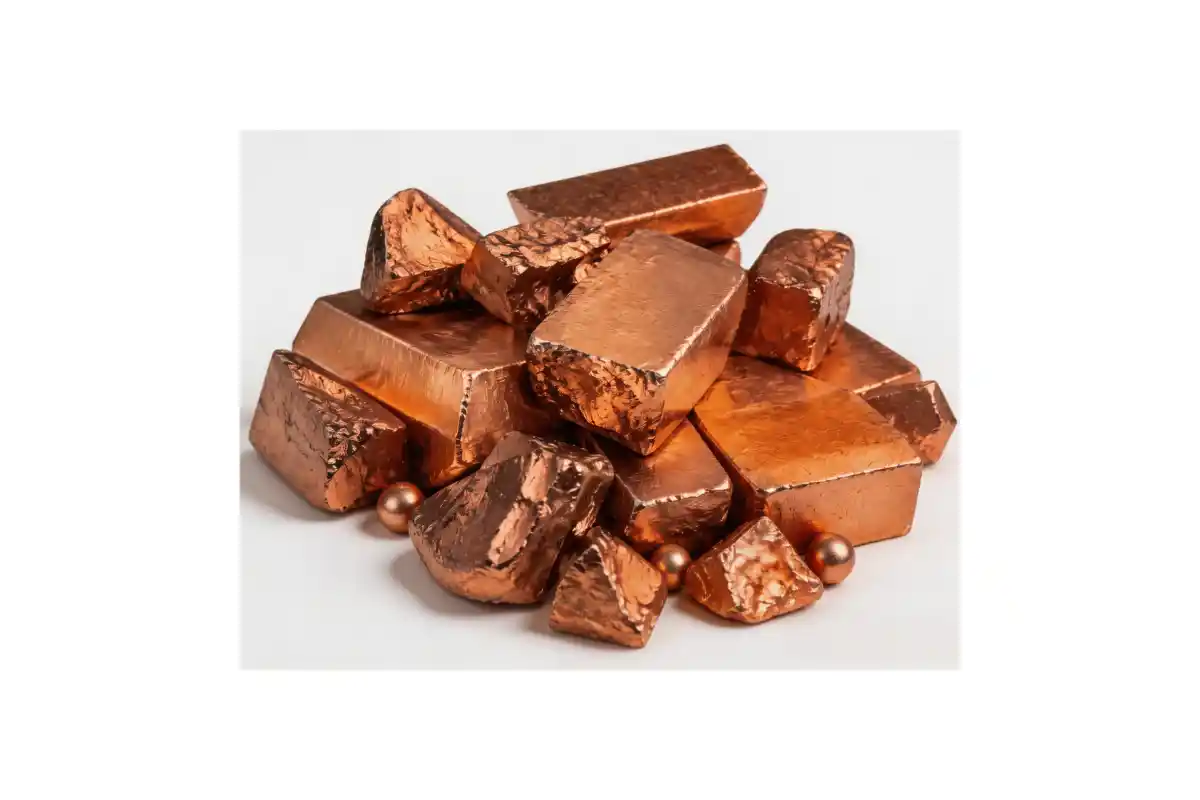
- Raw copper
-
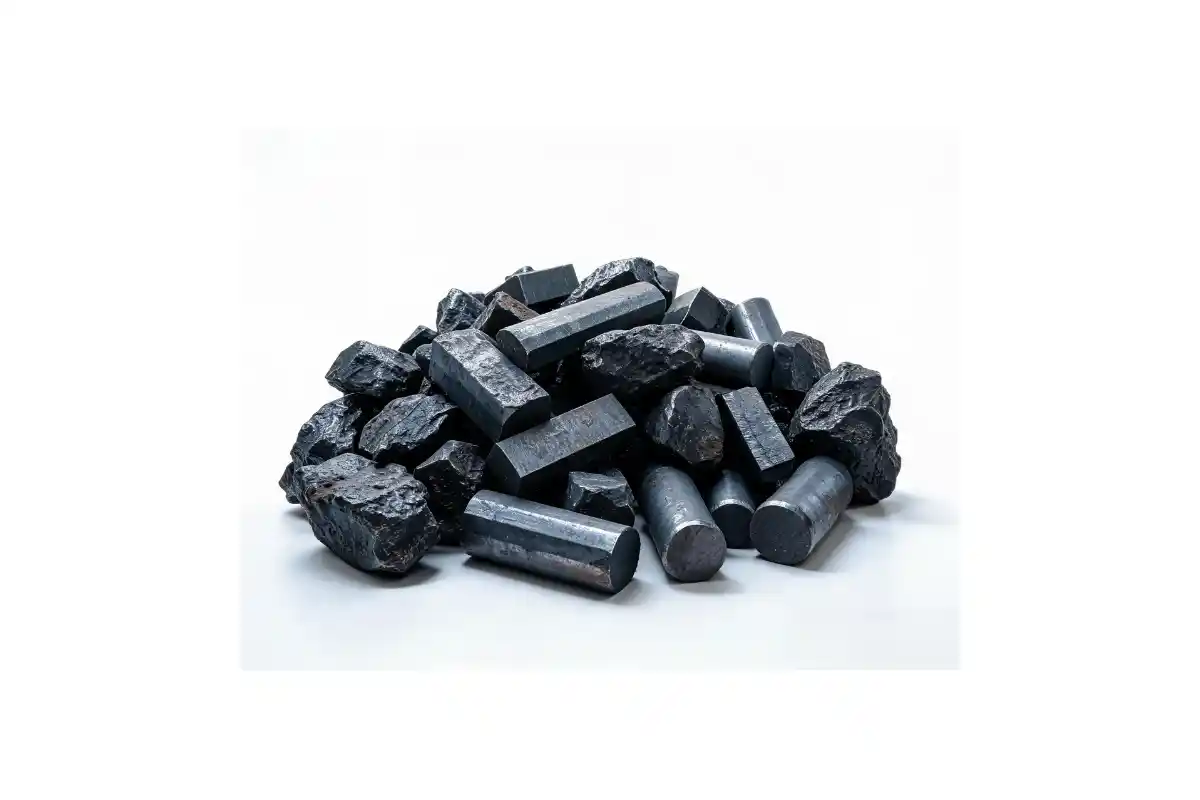
- Carbon steel billets
-
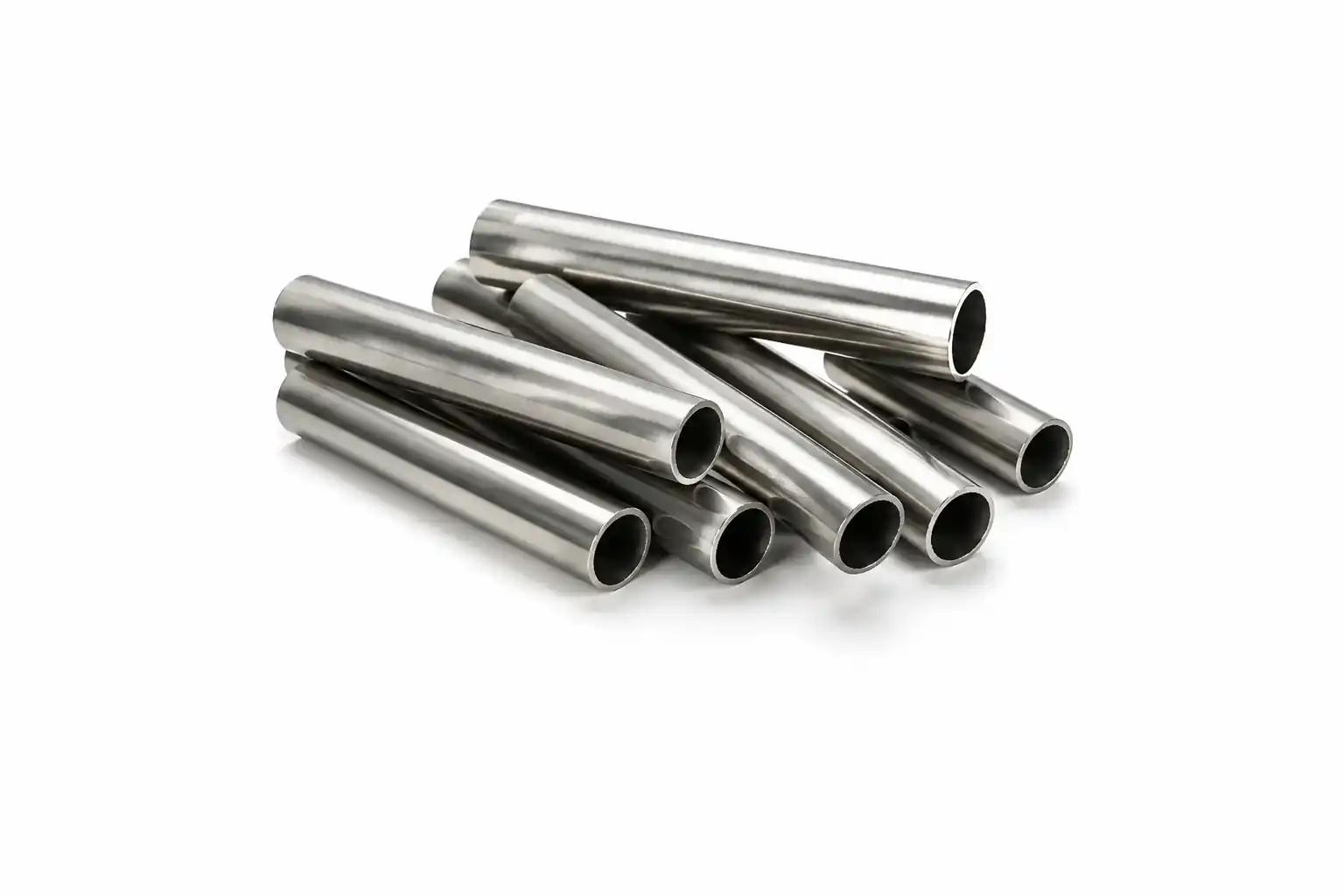
- polished stainless steel tubes
-
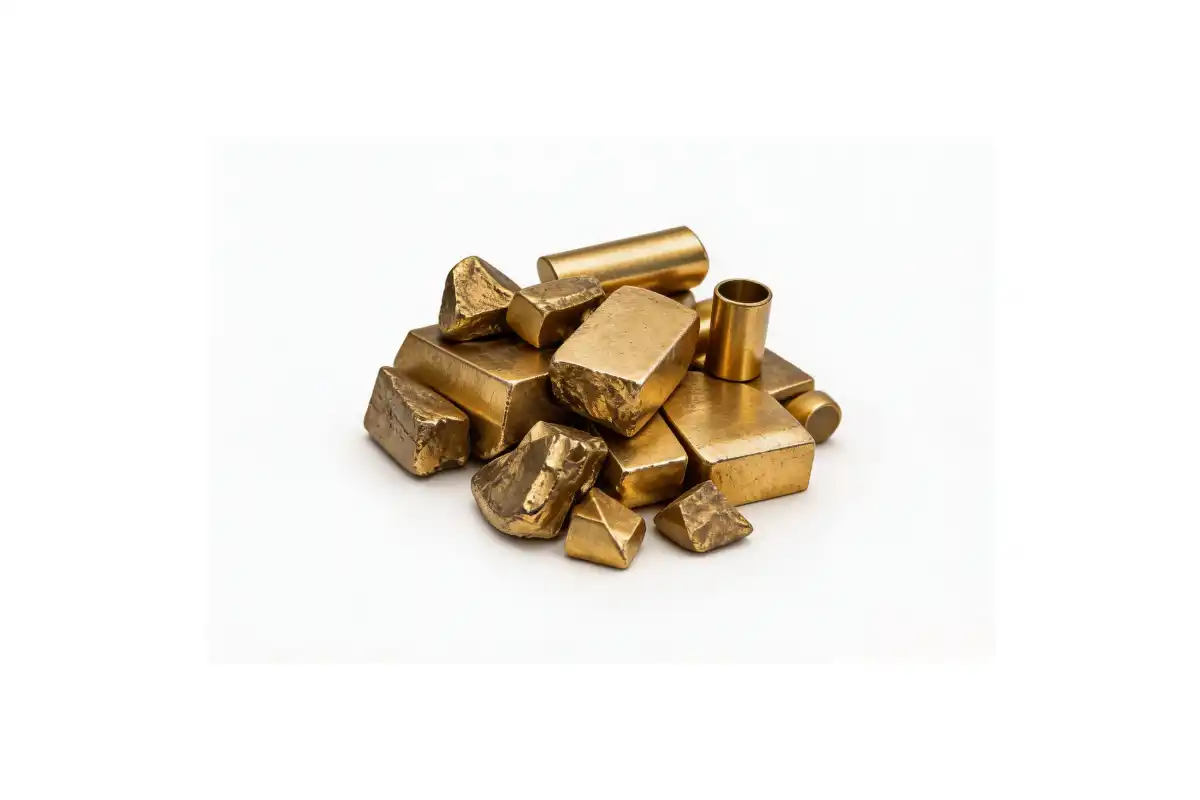
- solid brass blocks
Why Aluminum is the Superior Engineering Solution
From a thermal and structural standpoint, aluminum’s specific heat capacity of 0.897 J/(g·°C) combined with its remarkably low density (2.70 g/cm³) gives it an unmatchable performance-to-weight ratio. Unlike heavy metals such as steel, iron, or copper—which add excessive structural load and drive up manufacturing costs—aluminum provides exceptional thermal stability, easy machinability, and long-term durability.
Whether you are manufacturing custom windows and doors, insulating thermal break profiles, or engineering high-performance roller shutter systems, aluminum delivers the ideal combination of energy efficiency, structural integrity, and cost-effectiveness.
Factors Affecting Specific Heat of Aluminum
A comprehensive range of variables influences the specific heat capacity of aluminum, spanning from macroscopic environmental conditions down to atomic-level microstructural characteristics:
- Temperature Variations: As operational temperatures rise, atomic lattice vibrations (phonons) intensify, driving a predictable upward trend in specific heat capacity. Near melting points or phase transitions, this absorption rate accelerates significantly.
- Alloy Composition: The addition of specialized alloying elements such as silicon, magnesium, copper, or zinc introduces atomic mass variations and localized lattice strains, subtly modifying standard thermal properties for custom requirements.
- Phase Transformation: During transitions from solid to liquid states or other structural phases, latent heat requirements completely dominate, demanding a massive influx of thermal energy independent of standard specific heat.
- Porosity and Microstructure: Standard cast structures contain variable porosities and micro-voids, whereas precision-wrought and extruded profiles deliver a uniform grain structure, ensuring stable and predictable thermal behavior.
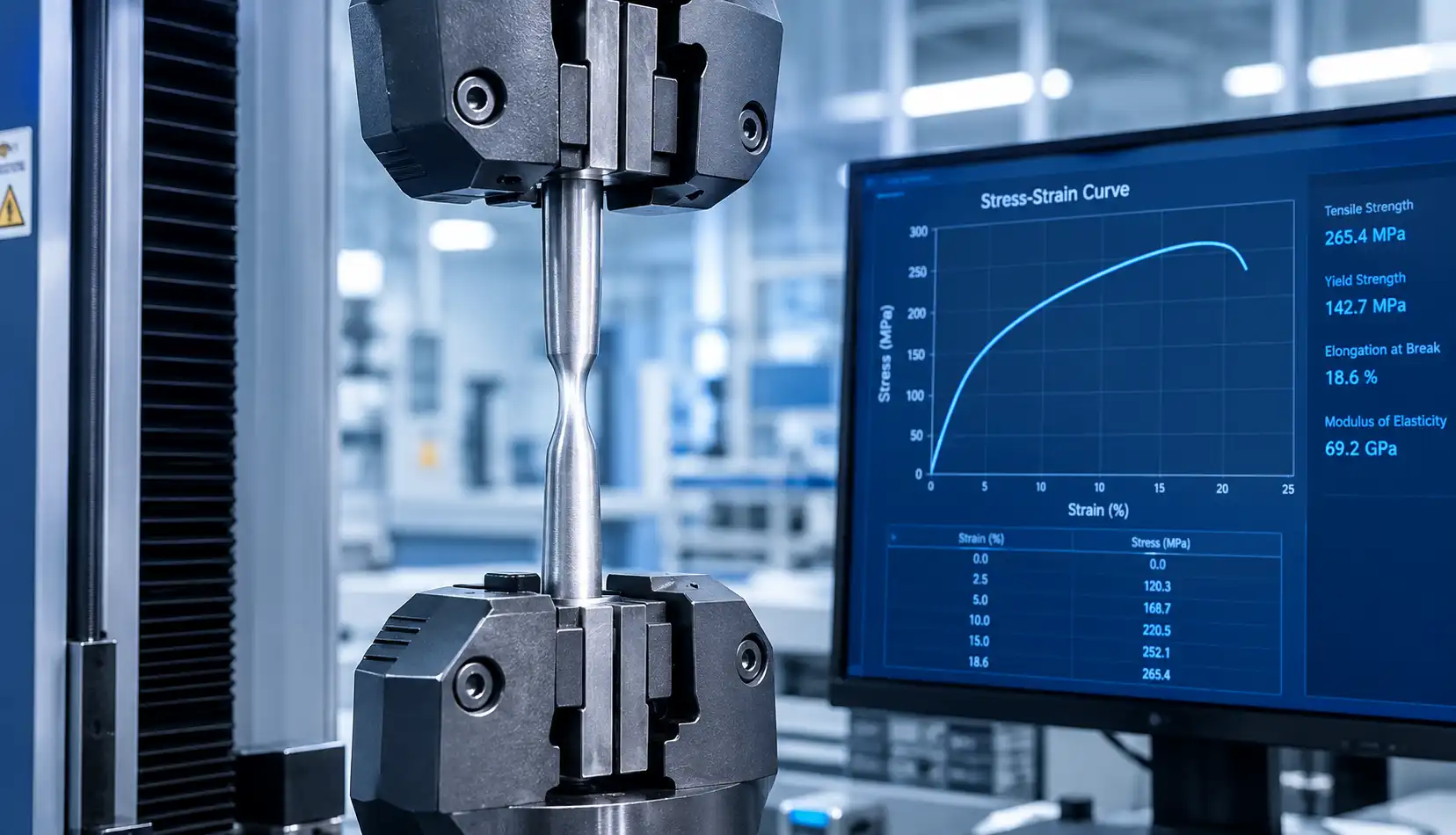
- Mechanical Straining and Residual Stress: High-strength stretching, cold working, or precision CNC machining creates internal lattice distortions and residual stress fields that can subtly influence localized electron and phonon scattering behavior.
- Surface Oxide Layer and Coatings: Natural passivation layers, anodizing, or protective coatings introduce boundary effects that slightly alter the thermal performance metrics of thin-walled profiles and compact components.
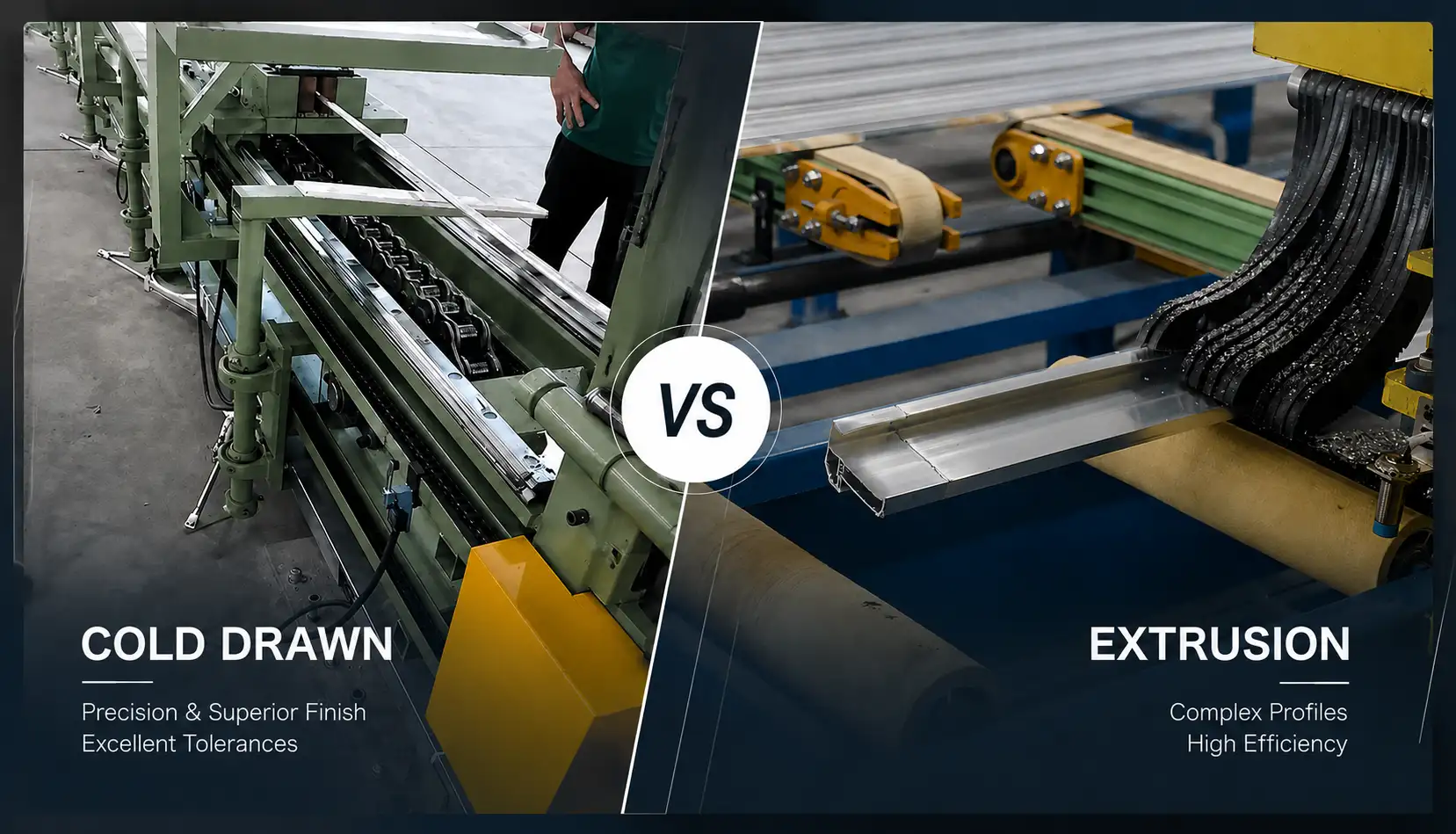
- Crystallographic Texture: The directional material flow during high-pressure extrusion processes aligns crystal grains along specific axes, introducing micro-anisotropy that can influence thermal distribution efficiency across different stress vectors.
- Grain Boundary and Dislocation Density: High densities of crystal boundaries—common in ultra-fine-grained materials—introduce additional free energy and localized atomic disorder that subtly impact phonon scattering and thermal storage.
- Point Defects and Vacancy Concentration: High-temperature quenching or radiation exposure can leave residual vacancies and interstitial defects inside the lattice, breaking periodicity and causing slight deviations in heat capacity at specific temperature ranges.
- Electronic Contribution and Impurity States: Trace transition metal impurities alter the local electronic density of states, subtly influencing the electronic specific heat contribution, particularly under specific operating environments.
Impact on CNC Machining
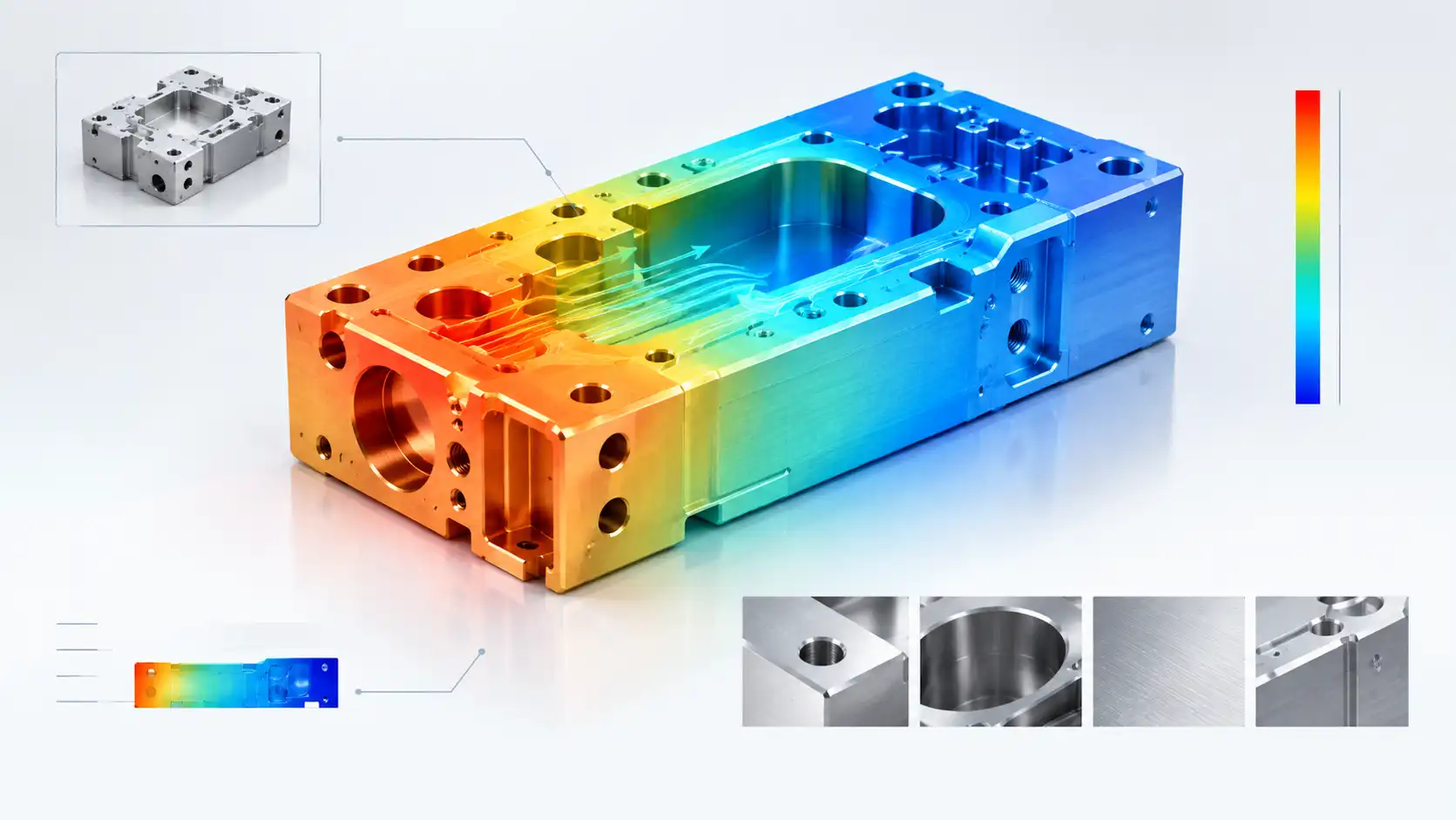
The specific heat capacity of aluminum directly influences the manufacturing process. Because aluminum absorbs a significant amount of heat energy before its temperature rises, it pulls heat away from the cutting tool during high-speed CNC machining.
However, this rapid heat absorption requires manufacturers to utilize precise coolant strategies and specialized tooling. Proper thermal management during the milling and turning process prevents material warping and ensures tight tolerances for complex custom components.
Industrial and Architectural Profile Applications
The thermal properties of aluminum make it the preferred material for advanced architectural systems, custom extrusions, and heavy-duty industrial components.
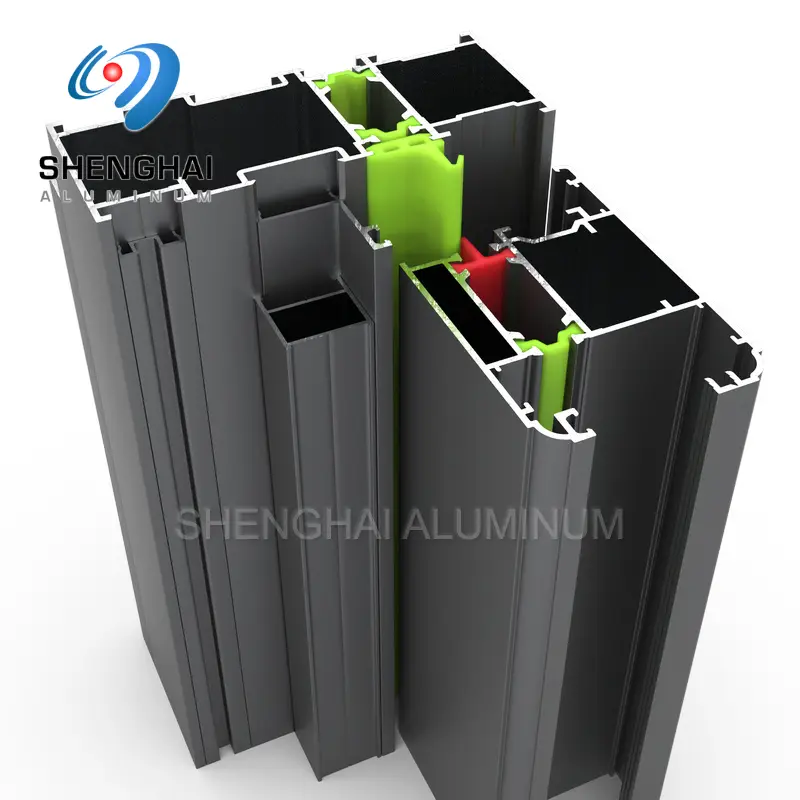
- Profiles for Windows and Doors Custom aluminum profiles leverage specific thermal properties to provide structural rigidity and stable temperature regulation for residential and commercial buildings.
- Thermal Break Profiles Precision-extruded thermal break profiles utilize aluminum's balanced heat characteristics with internal barriers to prevent external heat transfer, significantly improving indoor energy efficiency.
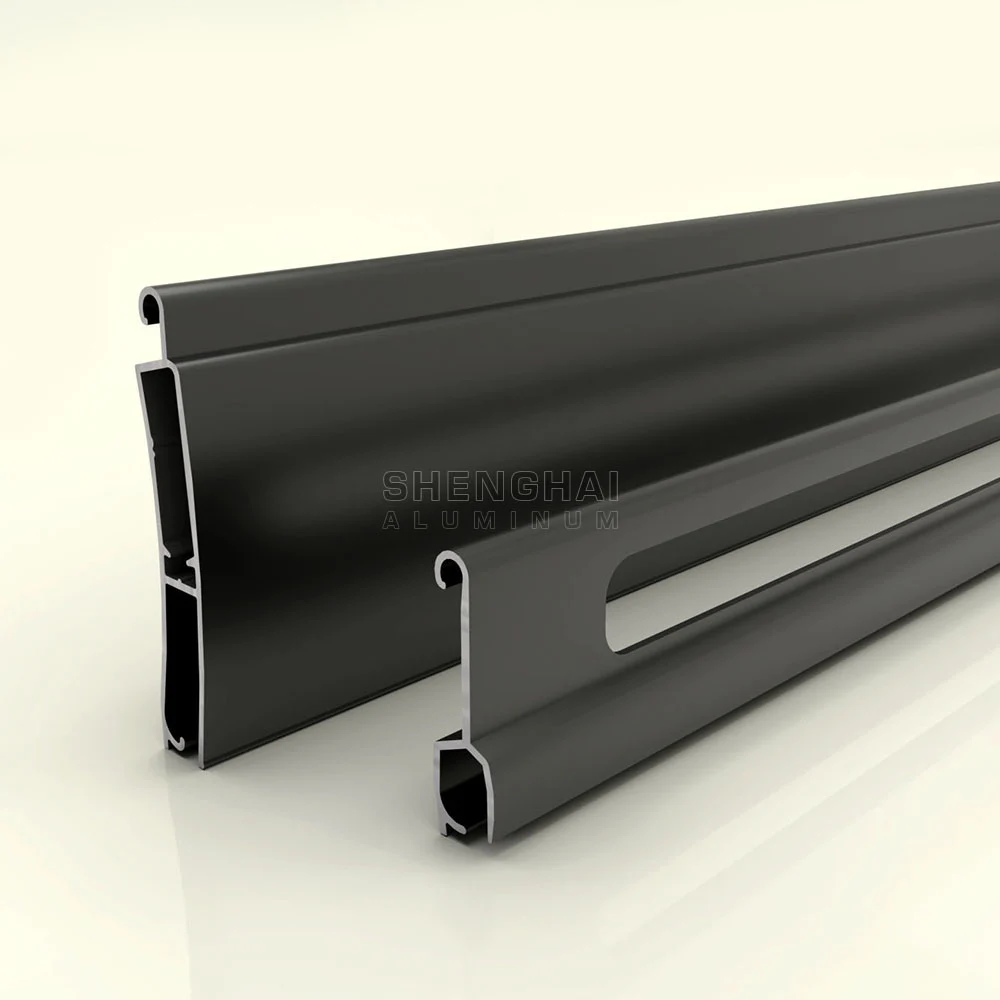
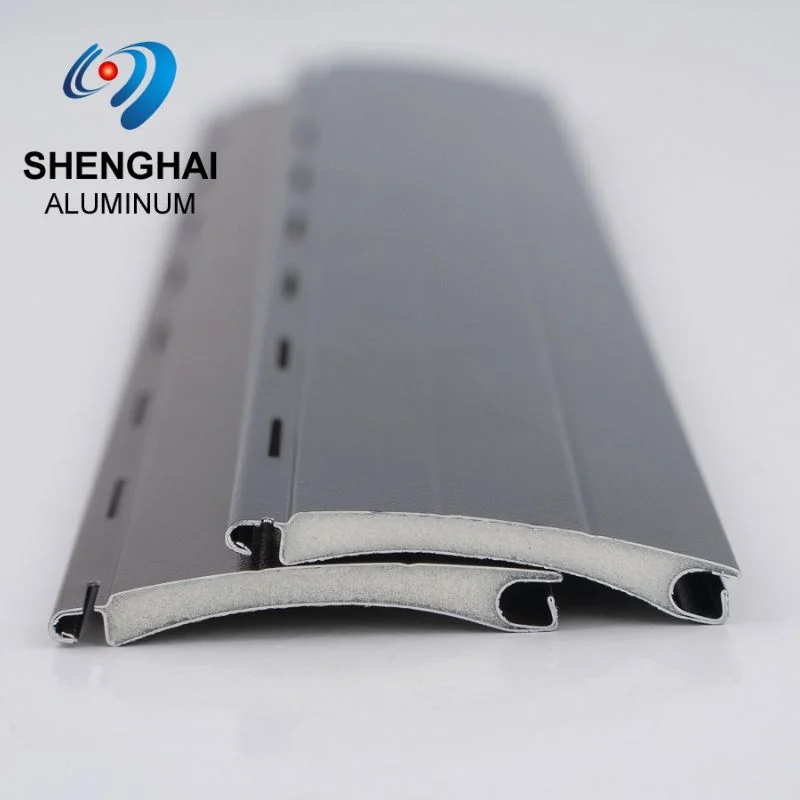
- Roller Shutter Profiles Custom roller shutter profiles and associated hardware benefit from aluminum's excellent thermal stability, preventing extreme expansion or contraction under harsh weather conditions.
- Curtain Walls High-performance architectural curtain wall systems rely on aluminum's superior strength-to-weight ratio and heat management to withstand large-scale structural loads.
- Industrial and Furniture Extrusions From automated frames to specialized decor and furniture profiles, our custom aluminum solutions offer optimal heat dissipation and long-term durability.
-
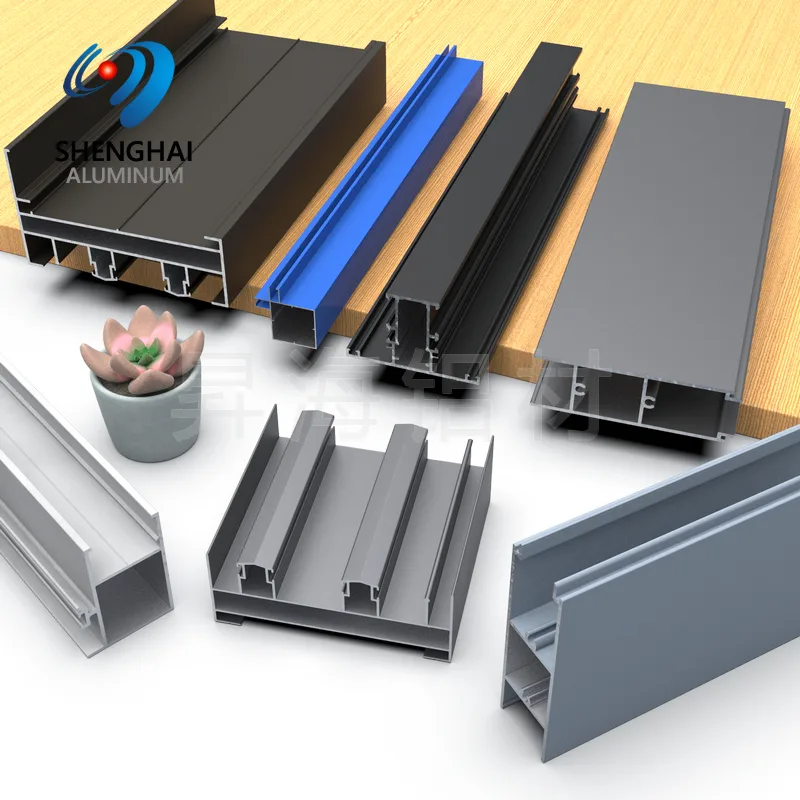
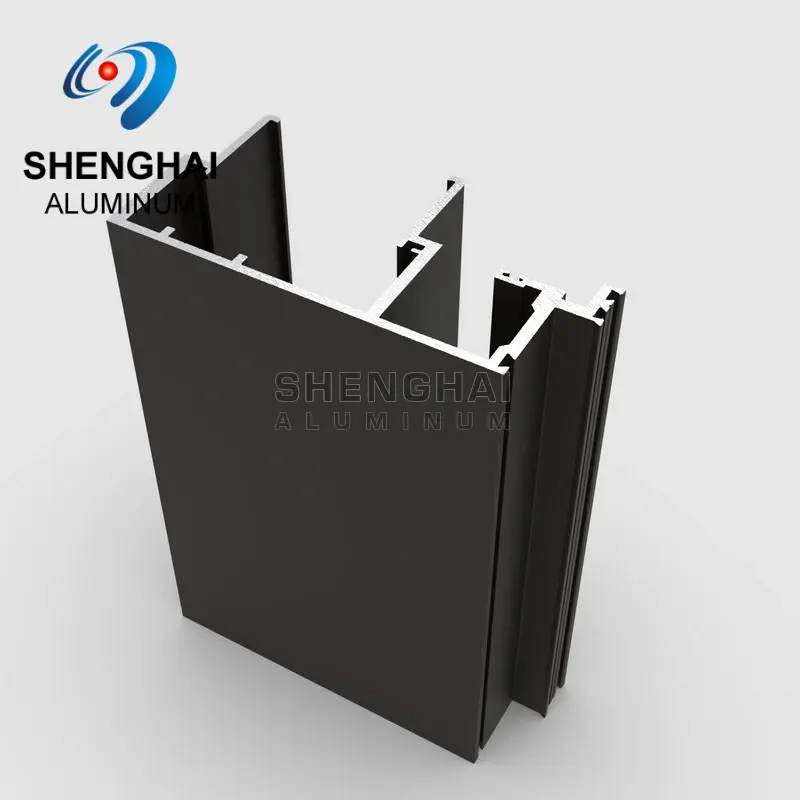
- Architectural Window & Door Extrusions Engineered for stability and weather resistance, these hollow aluminium profiles are widely used in sliding windows, doors, and curtain walls. Available in various finishes including matte black, powder-coated blue, and anodized silver. Currently a top seller in the UAE market.
-
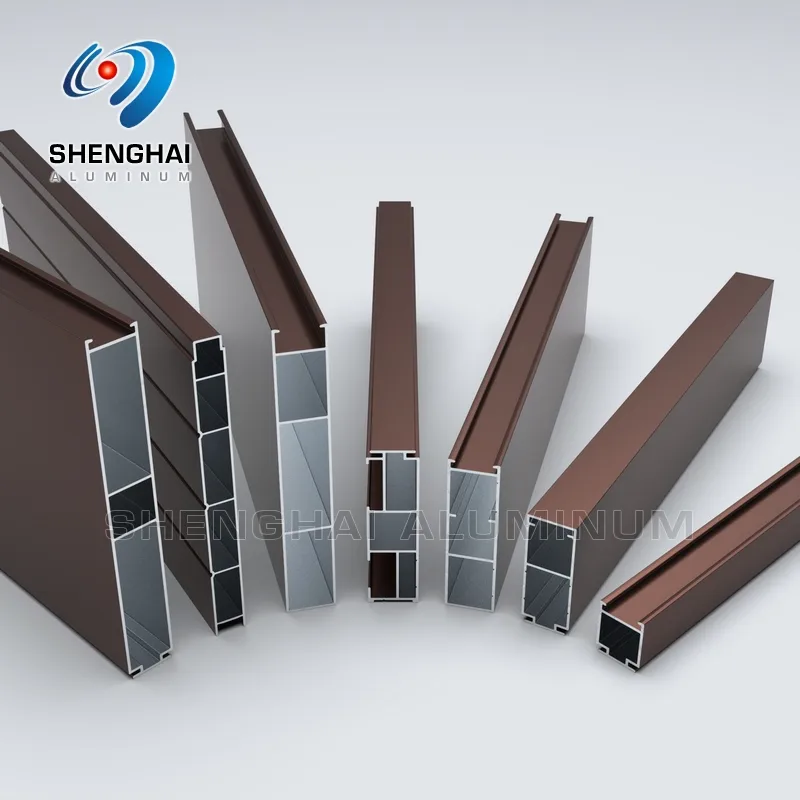
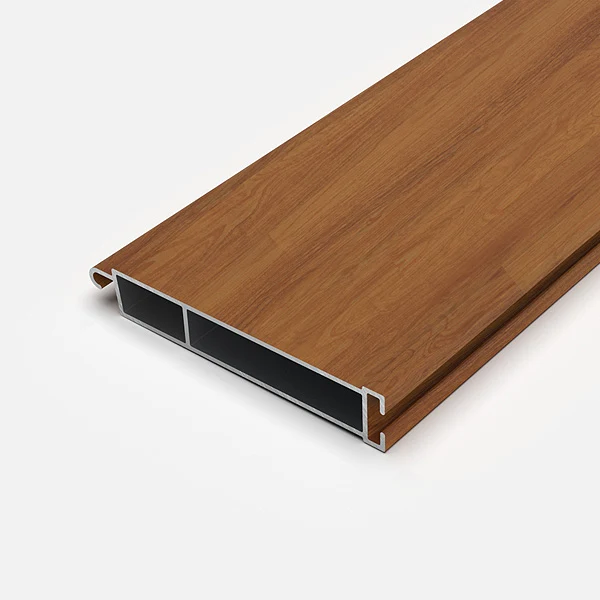
- Custom Kitchen Cabinet Hollow Profiles Featuring premium brown powder coating, these lightweight yet rigid hollow aluminium profiles are designed specifically for modern kitchen cabinets and wardrobes. Perfect for edge banding and handles. Exported to Mauritius with high praise for durability. OEM/ODM services available.
Formula and Calculation
For detailed engineering assessments, the amount of heat energy required to change the temperature of an aluminum component can be calculated using the standard thermodynamic formula:
Q = mcΔT
- Q represents the total heat energy (Joules)
- m represents the mass of the aluminum (Grams)
- c represents the specific heat capacity (0.897 J/(g·°C))
- ΔT represents the change in temperature (°C)
FAQs on Aluminum Specific Heat
1. What is the specific heat capacity of aluminum (in J/kg·K and J/g·°C)?
The specific heat capacity of pure aluminum is approximately 897 J/kg·K (or 0.897 J/g·°C) at room temperature, meaning it requires 897 joules of thermal energy to raise 1 kilogram of aluminum by 1 Kelvin.
2. What is the specific heat of aluminum compared to other metals like copper, steel, and titanium?
Aluminum has a significantly higher specific heat capacity per unit mass than many common structural metals. For instance, aluminum's specific heat is 897 J/kg·K, whereas copper is 385 J/kg·K, steel is 448 J/kg·K, and titanium is 523 J/kg·K.
3. What is the specific heat capacity of commercial aluminum alloys (such as 6061, 6063, or 5052)?
While pure aluminum is around 897 J/kg·K, specific wrought alloys show minor variations due to alloying elements: Aluminum 6061 is 896 to 897 J/kg·K, Aluminum 6063 is roughly 900 J/kg·K, and Aluminum 5052/5083 range around 900 J/kg·K depending on their precise temper and microstructural composition.
4. Is the specific heat of solid aluminum and aluminum foil low or high?
Solid bulk aluminum and thin aluminum foil share the same fundamental material specific heat of ~897 J/kg·K (which is relatively high compared to heavy metals like copper). However, because aluminum foil has an ultra-thin gauge, its total thermal mass is low, enabling rapid heating and cooling.
5. How do you find, measure, or calculate the specific heat capacity of aluminum?
Specific heat capacity is calculated using calorimetric formulas ($Q = m \cdot c \cdot \Delta T$) and professionally measured using advanced techniques such as Differential Scanning Calorimetry (DSC) per ASTM E1269, Modulated DSC (MDSC), or Drop Calorimetry.
6. What is the thermal capacity of a specific mass of aluminum (e.g., 40g)?
Total thermal capacity scales directly with mass. For 40g (0.04 kg) of aluminum with a specific heat of 897 J/kg·K, the total heat capacity is 0.04 kg × 897 J/kg·K = 35.88 J/K.
7. Why does aluminum have a higher specific heat capacity than heavier metals like gold or copper?
According to the Dulong-Petit law, the specific heat capacity per mole is roughly constant, meaning heat capacity per gram is inversely proportional to atomic weight. Because aluminum has a much lower atomic weight than copper or gold, a single gram contains more individual atoms and degrees of freedom to absorb thermal energy.
8. How does temperature affect the specific heat capacity of aluminum?
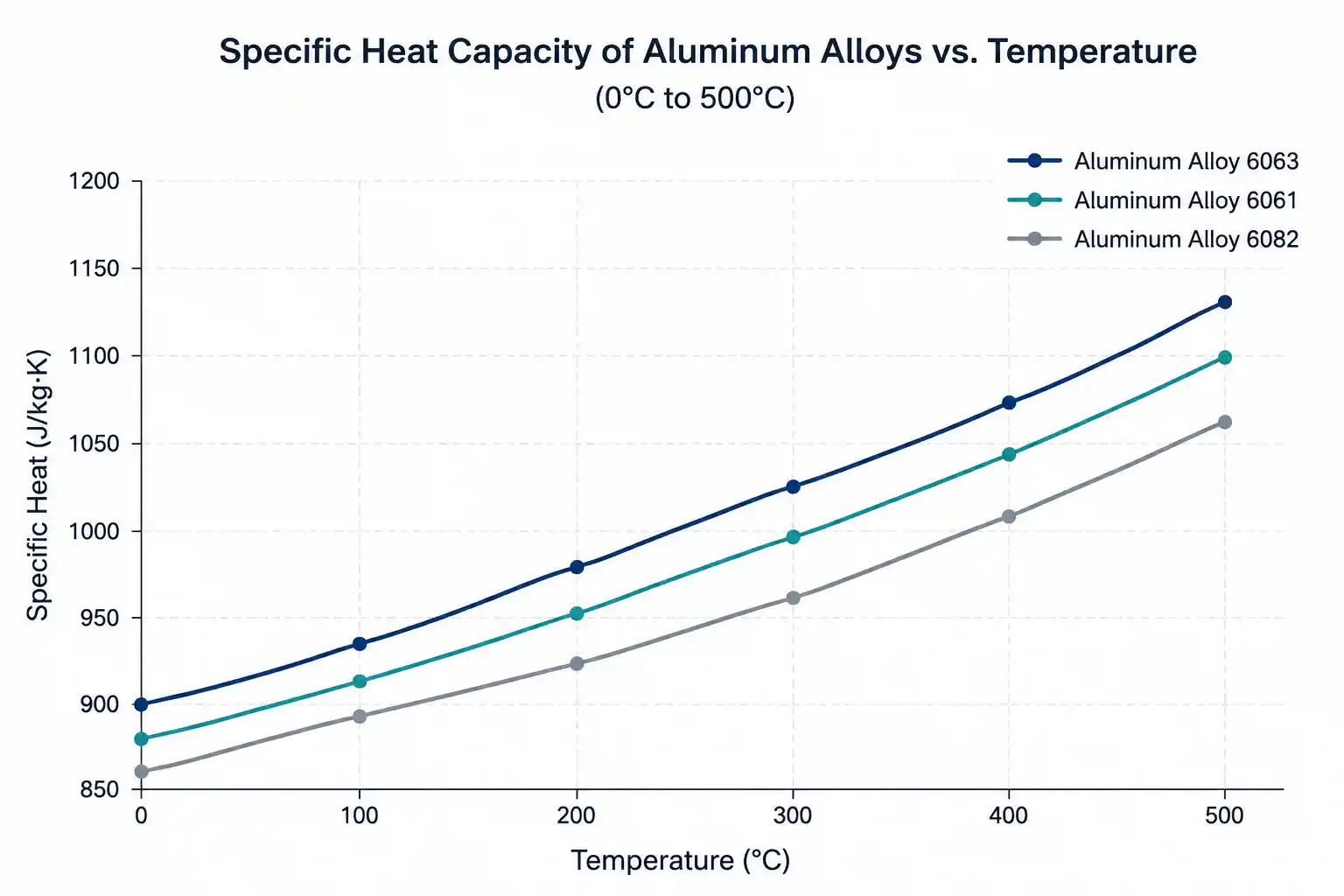
Specific heat is not static; as operational temperatures rise from room temperature up to 500°C, atomic lattice vibrations (phonons) intensify, driving a predictable upward trend in specific heat capacity.
9. What role do alloying elements and purity play in aluminum's thermal profile?
Higher-purity aluminum exhibits more consistent thermal properties. The introduction of alloying elements like silicon, magnesium, copper, or zinc creates minor atomic mass variations and localized lattice strains that subtly modify standard thermal behavior.
10. How do microstructural factors and surface conditions influence aluminum heat storage?
Advanced features—such as ultra-fine grain boundaries, dislocation densities from cold working, high-pressure extrusion textures, and natural passivation or anodized surface layers—introduce micro-anisotropy and boundary effects that subtly influence thermal distribution efficiency.
Summary
Understanding the specific heat capacity of aluminum is crucial for optimizing product design, from automotive heat sinks to architectural framing. If you are developing a new project and need expert guidance on alloy selection, CNC machining, or custom extrusion profiles, contact our engineering team today for a comprehensive technical review and quote.