
How to Choose the Right Aluminum Mullion Frame for High-Rise Buildings
Date: 2026-04-20Views: 976
Ensure structural safety with the right aluminum mullion frame. Learn about wall thickness, 6063-T6 specs, and global standards for high-rise curtain walls.
I. What Happens When You Choose the Wrong Aluminum Mullion Frame?
1. Falsified Wall Thickness: Thin-walled profiles are unsuitable for high-rise buildings
Suppliers advertise high-end 6063-T6 aluminum designed for heavy-duty load-bearing, yet the contract only vaguely specifies “high-quality aluminum.” Actual measurements reveal that the profile wall thickness is severely insufficient. Under three times the wind pressure typical of high-rises, the frames sway and deform significantly; within six months of use, issues such as mullion cracking and sagging glass appear. Suppliers refuse to take responsibility, blaming the building’s floor-to-ceiling height, leaving users to pay a premium for substandard and unsafe products.
2. Sloppy Sealing: Frequent Air and Water Leaks in High-Rises
Construction at the joints between the mullions and window frames was cut corners: sealant was either omitted or applied unevenly, and in some cases, cheap double-sided tape was used as a substitute for professional sealant. Strong winds at high altitudes caused drafts through these gaps, leading to a significant increase in energy consumption; rainwater seeped into the interior, causing mold on walls and corrosion of the aluminum. Repeated repairs only provided short-term relief, as water leakage issues kept recurring, resulting in an extremely poor maintenance experience.
3. Substandard Hardware + Improper Installation: Premature System Failure
The hardware supplied with the mullions is of poor quality, and installation fails to meet standards: fasteners are misaligned, spacing is inconsistent, and thermal breaks are illegally drilled. Sliding mullions are stiff and difficult to operate; within two months, the frame sags, hinges rust, and locking points become misaligned. Manufacturers shirk after-sales responsibility, leaving users with products purchased at high prices that become prematurely obsolete, with no after-sales protection whatsoever.
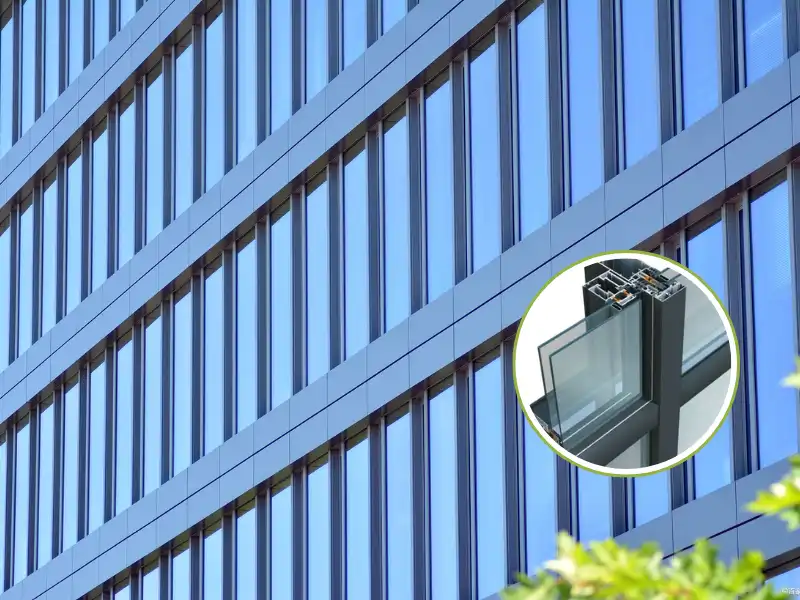
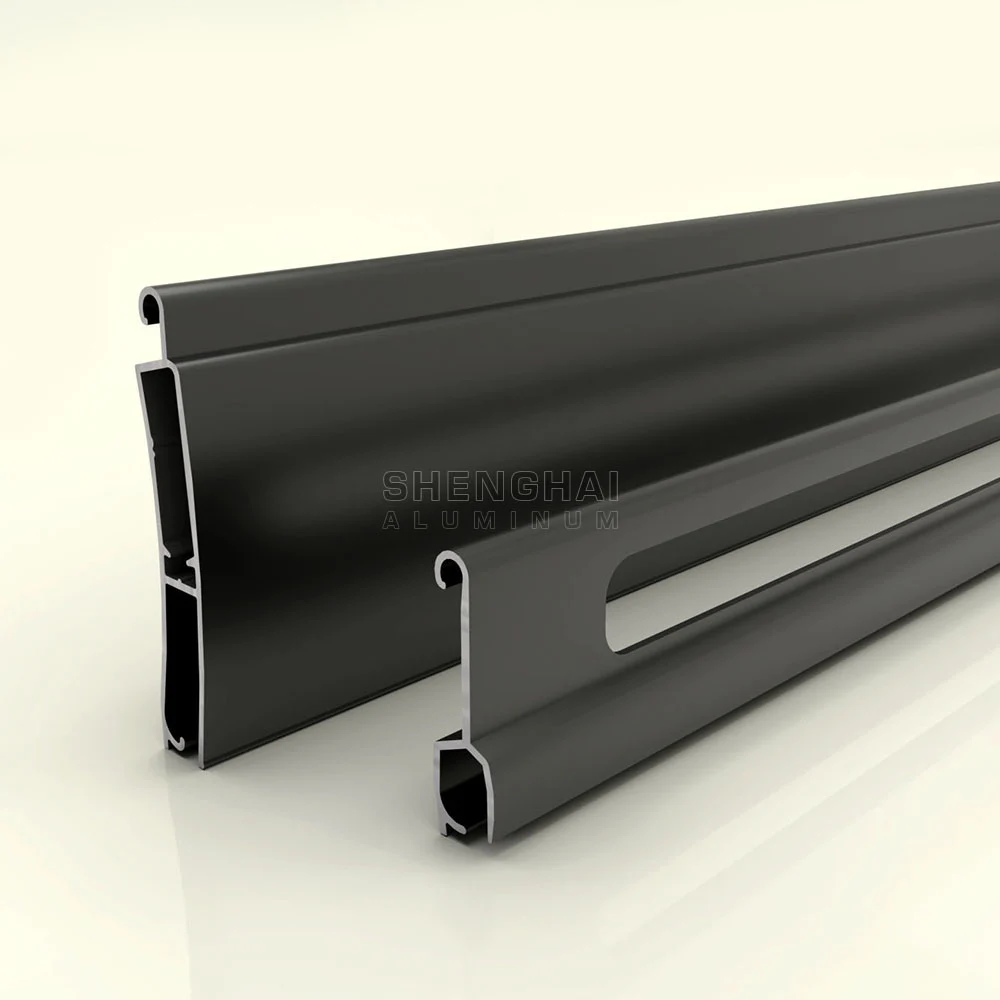
Structural aluminum mullion joint – the core load-bearing component designed to withstand positive and negative wind pressures in high-rise curtain wall projects.
II. Steps to Choose the Right Aluminum Mullion Frame
Step 1: Test Local Wind Pressure
A gentle breeze at ground level can turn into a strong wind at a height of 100 meters. The first step in selecting mullions is to accurately calculate the impact of wind forces. Projects should refer to local load codes to calculate wind load values; basic wind pressure data can be obtained from local meteorological departments. As height increases, the wind pressure coefficient also increases. For super-high-rise projects exceeding 100 meters, wind tunnel testing is recommended, as the data will be more precise than theoretical calculations.
Wind exerts not only inward thrust on a building but also generates outward suction, resulting in positive and negative pressure. The performance of the same aluminum mullion varies significantly under these two load conditions. Therefore, separate calculations must be performed during design, and the profile cross-section should be determined based on the most severe load scenario.
Step 2: Establish Core Specifications
Core specifications for columns, such as wall thickness and deflection, must comply with curtain wall engineering standards and cannot be arbitrarily determined based on experience:
- The wall thickness of open sections in aluminum profiles must be no less than 3.0 mm, and no less than 2.5 mm for closed sections; for steel, the wall thickness of load-bearing sections must be no less than 3.0 mm;
- Under wind loads, the deflection of aluminum alloy columns must be controlled within L/180, and that of steel columns within L/250;
- The slenderness ratio of columns should ideally not exceed 150 to prevent buckling under compression.
Step 3: Choosing the Right Aluminum Alloy: 6063 or 6061?
Aluminum-magnesium-silicon alloys are commonly used for curtain wall columns, with two mainstream grades available; select based on specific requirements:
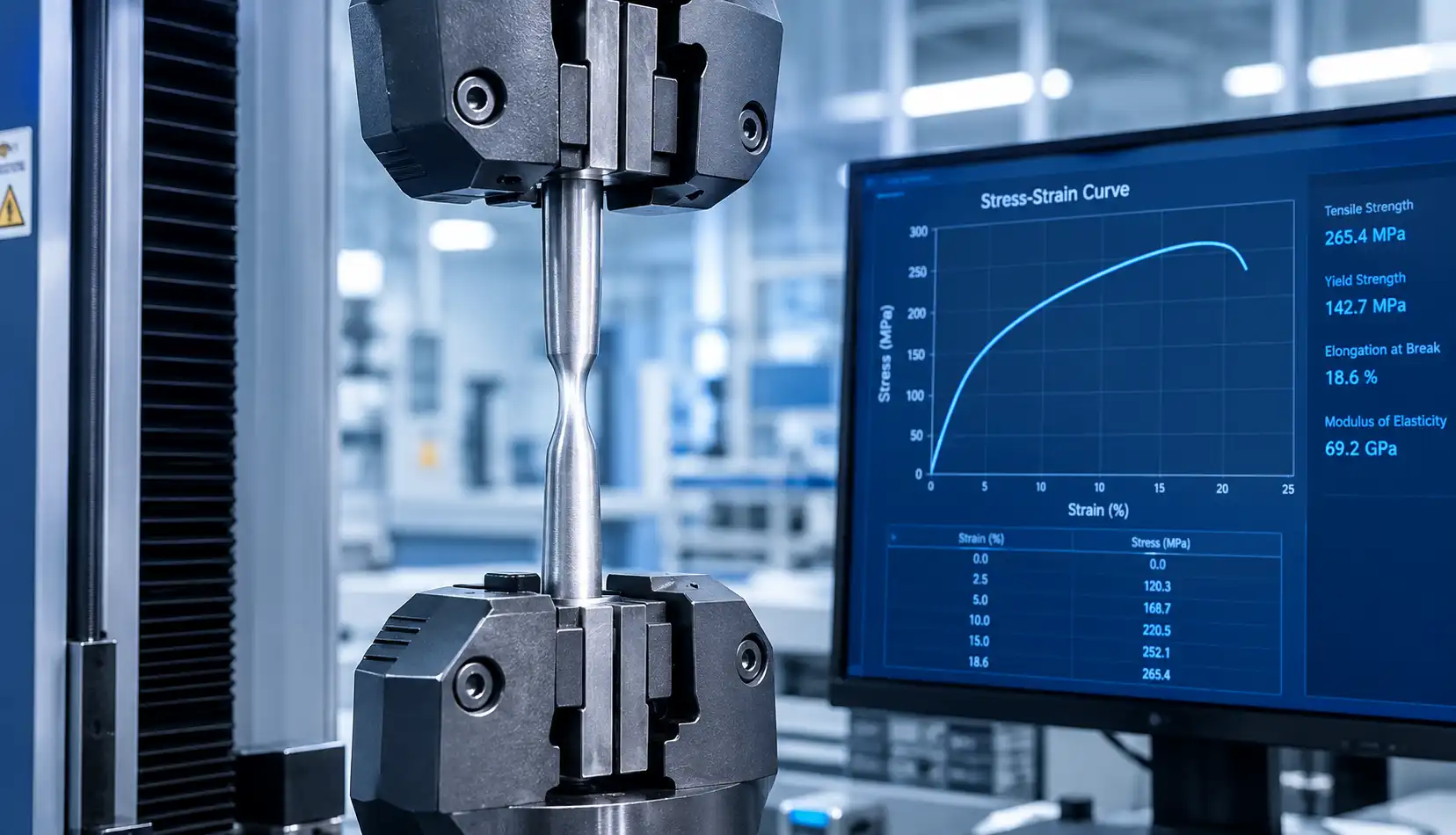
- 6063-T6: The industry standard, offering tensile and yield strengths sufficient for most high-rise buildings. It features excellent extrusion formability, superior surface treatment results, and the best cost-performance ratio;
- 6061-T6: Significantly higher strength than 6063, suitable for super-high-rise, long-span, or high-wind-pressure projects; however, it involves greater processing difficulty and higher costs.
Simple summary: Use 6063-T6 for standard high-rise buildings; select 6061-T6 for extreme conditions.
Step 4: Determine the Curtain Wall System
Two common curtain wall systems are used in high-rise buildings, which directly impact the structural design of the columns:
- Unitized curtain wall: Prefabricated panels are manufactured as a whole in the factory and hoisted into place on-site, offering faster construction and more consistent sealing. This type of curtain wall typically uses male-female interlocking mullions; under negative pressure conditions, the two mullions interlock, providing stronger overall wind resistance;
- Framed curtain wall: Mullions are installed one by one on-site, and glass is fitted accordingly. This system accommodates complex building shapes but relies more heavily on on-site construction techniques.
Step 5: Thermal Break Design
Aluminum alloy is highly thermally conductive, so thermal insulation design is essential for building energy efficiency. Installing nylon 66 thermal break strips significantly blocks heat transfer. For regions with cold winters and hot summers, or projects with energy-saving requirements, thermal break mullions must be selected. Mullions without thermal breaks are highly prone to condensation and dripping, and the costs of future repairs and rework far exceed the price difference between profiles.
Step 6: Selecting Surface Finishes
Aluminum alloy requires surface protection to withstand long-term sun exposure and corrosion. Choose from these three mainstream options based on your needs:
- Fluorocarbon Coating: Complies with AAMA 2605 standards, offering weather resistance of 20–30 years; the top choice for coastal and super-high-rise projects;
- Powder Coating: Offers a wide range of colors and high cost-effectiveness; commonly used for residential projects;
- Anodizing: Offers a strong metallic finish and high hardness, suitable for high-end buildings with an industrial aesthetic.
Step 7: Performance Testing
No matter how precise the theoretical calculations, they cannot match the reliability of actual testing. Passing standard tests for wind pressure resistance, air tightness, and water tightness verifies the columns’ actual performance. For super-high-rise projects or those in complex wind environments, it is recommended to conduct full-scale curtain wall prototype testing to accurately verify the columns’ load-bearing performance.
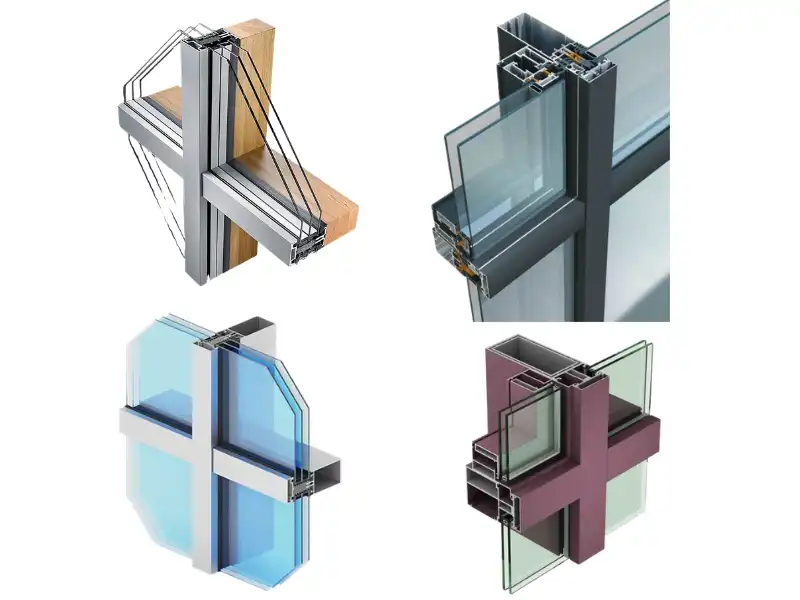
These cross-sectional views show four common types of aluminum mullion frames used in curtain wall systems. They illustrate how the mullion connects with glass panels, thermal breaks, and adjacent building structures, highlighting structural and thermal performance details.
III. Why Must High-Rise Buildings Prioritize the Selection of Aluminum Alloy Column Frames?
This is primarily influenced by the following factors: overall cost and the impact of wind pressure at high altitudes.
Cost
Aluminum alloy columns for high-rise building curtain walls account for a relatively small portion of the total cost—approximately one-fifth—but selecting the wrong model can result in repair costs several times higher. This does not even include the financial liability for safety incidents.
Significant Impact of Wind Pressure
Wind conditions at ground level and at high altitudes can be vastly different. While there may be only a gentle breeze at ground level, winds become extremely strong at heights of 100 meters or more. Furthermore, wind does not merely exert inward pressure on the building; it also generates outward suction. The inward pressure is positive pressure, while the outward suction is negative pressure. The same aluminum mullion experiences completely different stress conditions and suffers different types of damage when subjected to inward thrust versus outward suction. This is particularly true for two interlocking aluminum mullions in a unitized curtain wall system: when wind pushes inward, the two mullions bear the load independently and struggle to support each other; however, when wind pulls outward, they interlock and share the load, making the overall structure much more stable. Therefore, selecting the right aluminum mullion frame is of utmost importance.
A dangerous example:
In the early hours of March 31, 2025, the Weimeng Qingshuiwan residential complex in Nanchang, Jiangxi, China, was hit by severe convective weather, resulting in the tragic deaths of three residents who were blown off their balconies by strong winds.
The investigation directly pointed to fatal defects in the aluminum window frames: the frame wall thickness was only 1.1 to 1.2 millimeters, far below the national standard requirement of 1.4 millimeters; the spacing between fixing screws far exceeded the 40-centimeter limit specified in regulations, causing the window frames to disintegrate and detach entirely under negative wind pressure; the windows used only standard double-pane glass instead of the laminated double-pane glass required for high-rise buildings, resulting in the entire pane shattering and falling; The sliding window was not equipped with an anti-falling limit device, allowing the sash to easily derail and fly out in strong winds.
This tragedy serves as a warning: while aluminum alloy frames may seem unremarkable, cutting corners during selection can cost lives.
IV. What characteristics should a good aluminum column frame possess?
- High-strength materials such as 6063-T6: 6063-T6 tensile yield strength Fty = 25 ksi, tensile ultimate strength Ftu = 30 ksi, modulus of elasticity E = 10,100 ksi. For high-rise buildings, 6063-T6 is the absolute mainstream choice (25 ksi yield strength vs. approximately 15 ksi for 6063-T5).
- Material wall thickness requirements: The NBS standard requires a minimum mullion thickness of no less than 3.18 mm.
- Wall thickness greater than 2.5 mm: Wall thickness is a “hard requirement”: National standards explicitly stipulate the minimum wall thickness for the primary load-bearing sections of aluminum alloy profiles. For example, according to the Technical Specifications for Glass Curtain Wall Engineering, the thickness at open sections should not be less than 3.0 mm, and at closed sections should not be less than 2.5 mm.
- Scientific Construction and Connections: Top suspension bolts of ≥10 mm with millimeter-level installation precision; a ≥15 mm expansion joint between upper and lower columns connected by a ≥400 mm core column joint; male and female columns that lean against each other under negative pressure, with rigid rubber strips on the inner side transferring force and flexible rubber strips on the outer side sealing to form an isobaric cavity.
- Thermal Break Insulation: A high-quality aluminum column frame should incorporate a thermal break design. This ensures the interior can withstand the intense heat from high-altitude sunlight and maintain insulation during cold weather.
- Surface Corrosion Resistance: Surface treatment primarily addresses three issues: corrosion resistance, anti-aging, and aesthetic enhancement. Without this protective layer, even the highest-quality aluminum alloy cannot withstand erosion.
V. Why Can Aluminum Mullion Frames Be Used in Curtain Wall Systems?
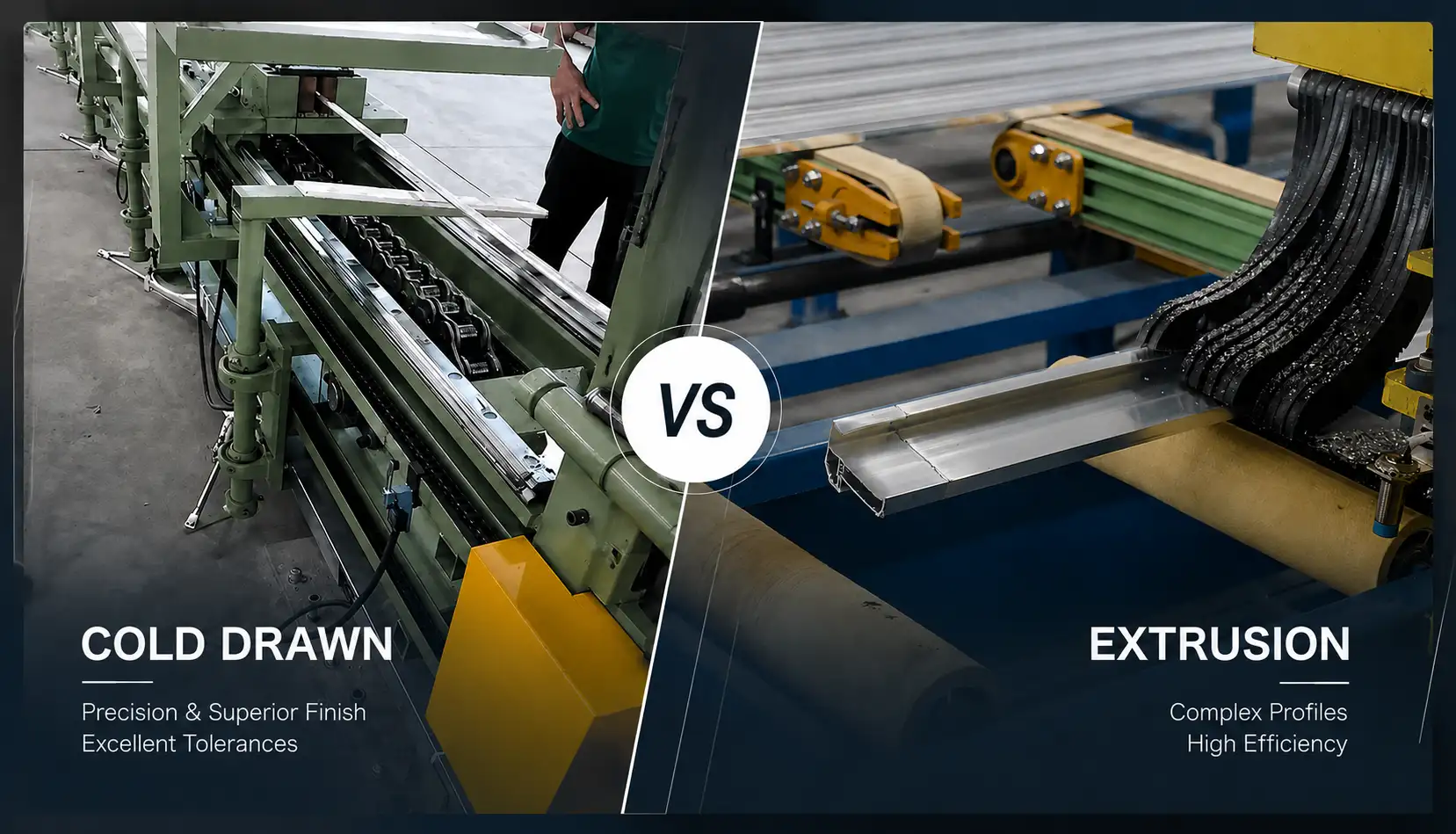
1. Complex Extruded Shapes: Pre-formed grooves for screws and sealants allow glass, frames, and sealants to be pre-assembled into large panels in the factory, much like building with LEGO blocks. This eliminates the need for workers to manually tighten screws hundreds of meters above the ground.
2. Specifically Designed to Address Building “Sway”: The aluminum alloy frame system relies on flexible rubber gasket connections and expansion joints. This allows for minimal relative movement, using elastic deformation to absorb the building’s sway and ensure the glass does not shatter or fall.
3. Multifunctional: Handles three critical functions: load-bearing, waterproofing (built-in equal-pressure chambers), and energy efficiency (nylon thermal breaks).
4. Corrosion Resistance: Surface can be treated with fluorocarbon coating (weather-resistant for 30 years) or anodization to withstand environmental impacts such as UV radiation and acid rain for over 20 years.