
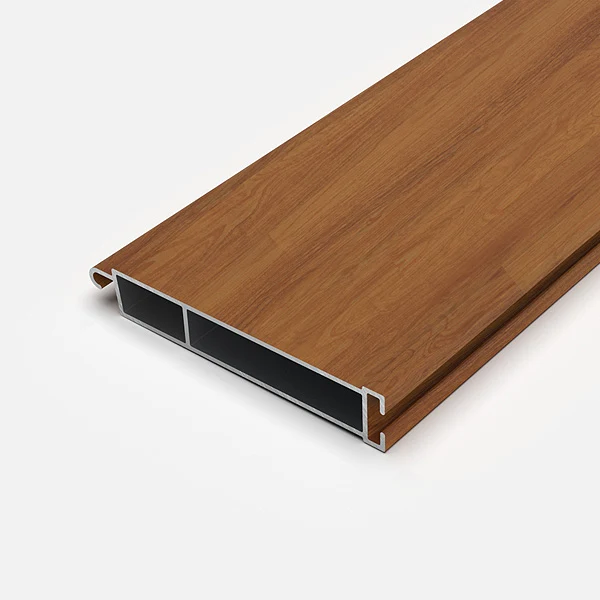
Why do corrugated aluminum roofing sheets always seem to be blown away in strong winds, while they hold up reliably?
Date: 2026-06-08Views: 847
Recently, many people in southern China have been terrified by sudden, severe convective weather. One moment the sky is clear, the next, gales and torrential rain are pouring down. During such times, the roof becomes the first and most important line of defense.
Regardless of how windy your area is year-round or whether you occasionally experience severe convective weather, the wind resistance of your roof is absolutely crucial. Choosing the right wind-resistant corrugated aluminum roofing sheet not only makes your house stronger in extreme weather, reducing property damage and safety hazards caused by windstorms, but also significantly extends the roof's lifespan, eliminating the need for frequent repairs and replacements—saving you time and money.
Two recent near-misses involving corrugated iron roofs in 2026:
On April 12th of this year, a corrugated iron roof was blown off a residential building in Jiangxi Province by strong winds. The falling metal damaged several cars and motorcycles parked below. Fortunately, no one was downstairs at the time, preventing more serious consequences.
Just over twenty days later, on May 5th, a community in Nanhai District, Foshan City, was hit by a level 9 gale. Ms. Liu, who lived there, had her entire corrugated iron roof torn off by the wind. Rainwater flooded into her bedroom, soaking her bed, wardrobe, and appliances, resulting in several thousand yuan in damages. Several other residents in the same community with corrugated iron roofs also suffered damage, with their roofs being torn off or damaged to varying degrees.
Many people initially chose corrugated iron roofs simply because they were cheap and quick to install. However, we often only see these immediate advantages and severely underestimate the enormous risks they pose in extreme weather.
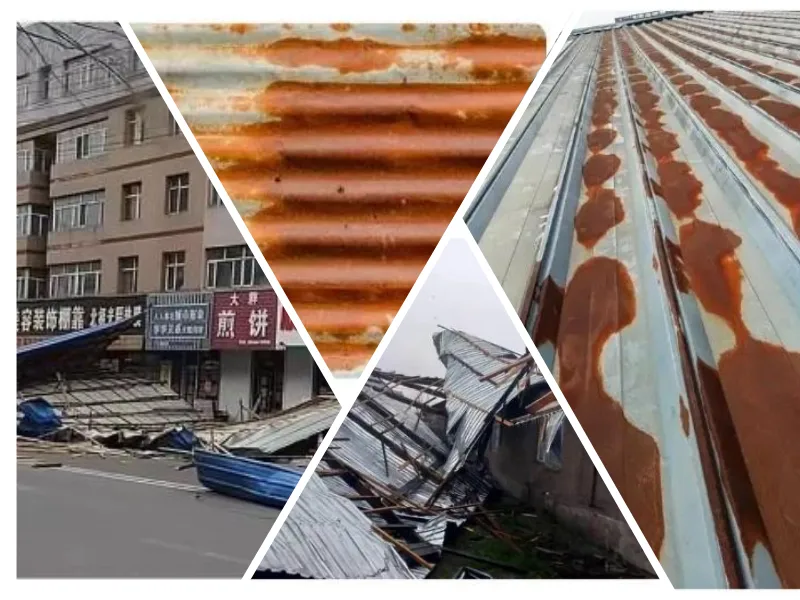
Traditional corrugated iron roofs pose significant safety hazards in strong winds due to their thin, brittle nature and high susceptibility to rust.
Why are corrugated iron roofs so easily blown off by strong winds?
The fragility of corrugated iron roofing sheets in strong winds is not accidental, but rather a consequence of inherent flaws in both material and design:
The sheet material itself is weak. Most inexpensive corrugated iron roofing sheets on the market are made extremely thin to reduce costs, many less than 0.3mm thick. While this reduces weight, it significantly reduces strength. Corrugated iron is brittle, and a strong wind can easily deform, crack, or even tear it to pieces.
The connection method is too simplistic and cannot withstand lifting forces. Traditional corrugated iron roofing sheets are laid flat on the roof, secured by only a few screws at a single point, without any interlocking structure between the sheets. If the screw spacing is too large, or if a screw loosens, uneven stress will cause the sheet to warp. Even worse, wind can seep under the sheets through the joints, creating an upward lifting force, like a kite being flown, easily lifting the entire sheet.
Rust gradually erodes its strength. The biggest enemy of corrugated iron roofing sheets is rust. Exposed to wind, sun, and rain, the surface coating quickly ages and peels off, and the iron substrate rusts upon contact with water. Over time, the roof sheet thins, and screws rust and loosen, causing its wind resistance and load-bearing capacity to decrease year by year. Many corrugated iron roofs that have been used for five or six years can be easily broken by hand.
Construction quality is generally unreliable. Corrugated iron roof installation is easy, often done by roadside unlicensed contractors. To meet deadlines and save materials, it's common to leave joints unsealed, edges unreinforced, and insufficient fixing points. These substandard practices directly reduce the roof's wind resistance to the bare minimum.
Routine maintenance is almost nonexistent. After the roof is installed, many people never go up to check on it again. Rust, loose screws, and warped joints—these small problems, if not detected and addressed promptly, accumulate and become major hazards, culminating in a sudden strong wind.
How can corrugated aluminum roofing sheets withstand strong winds?
Unlike corrugated iron sheets, the wind resistance of corrugated aluminum roofing sheets doesn't rely on a single advantage, but rather on a comprehensive, systematic design:
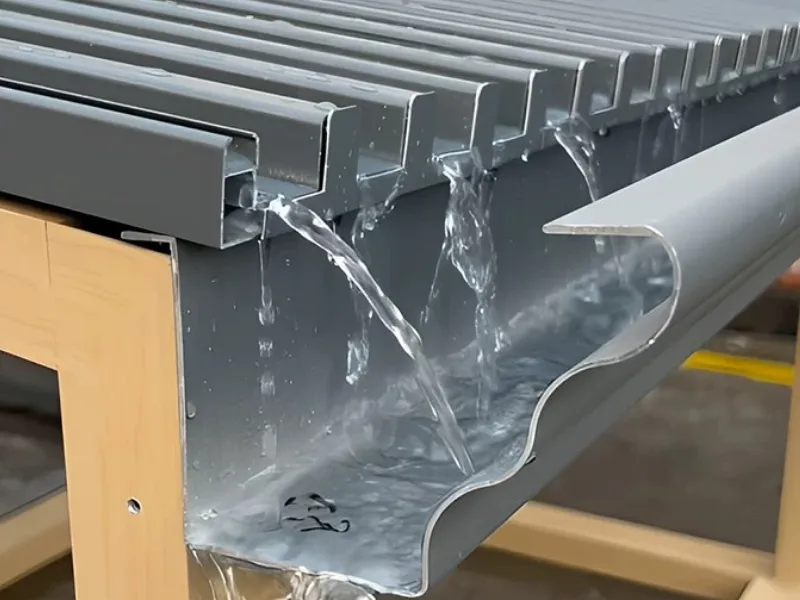
The unique Greatwall 3D texture not only disperses strong wind currents but also acts as an efficient drainage groove, working with the interlocking design to eliminate wind and water intrusion.
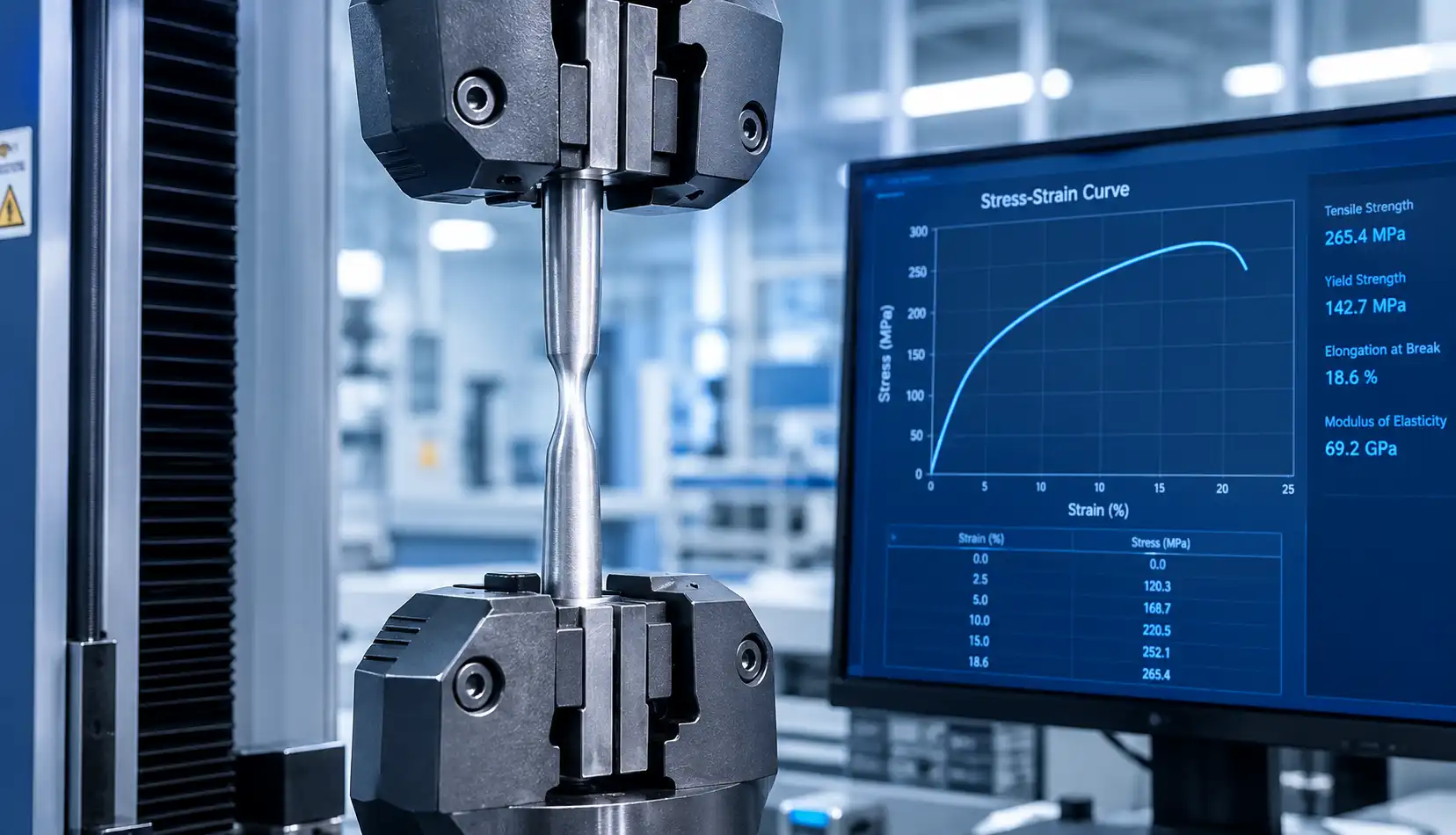
Lightweight and high strength, both are achieved. Corrugated aluminum roofing sheets use 3003 H24 aluminum roofing sheet material, a material specifically developed for building roofs. Its density is only one-third that of iron, significantly reducing the roof's weight and thus minimizing the strain on the building's structure from strong winds. Simultaneously, its tensile strength reaches over 160MPa, almost twice that of ordinary iron sheets, and its toughness is also exceptional. Faced with intense wind blasts, it only deforms slightly, unlike thin iron sheets which break directly.
Interlocking aluminum roofing panels, making all the tiles a unified whole.
This is the most fundamental difference between it and corrugated iron sheets. Through a precise interlocking design, the grooves of one tile fit perfectly into the grooves of another. In this way, all the tiles are not isolated individuals, but rather connected into a large, unified whole. When strong winds blow, the wind pressure is evenly distributed to every fixed point of the entire roof system, preventing any single tile from bearing the load alone. An additional layer of weather-resistant structural sealant is applied to the seams, providing both waterproofing and fundamentally eliminating the "wind intrusion effect," preventing wind from penetrating.
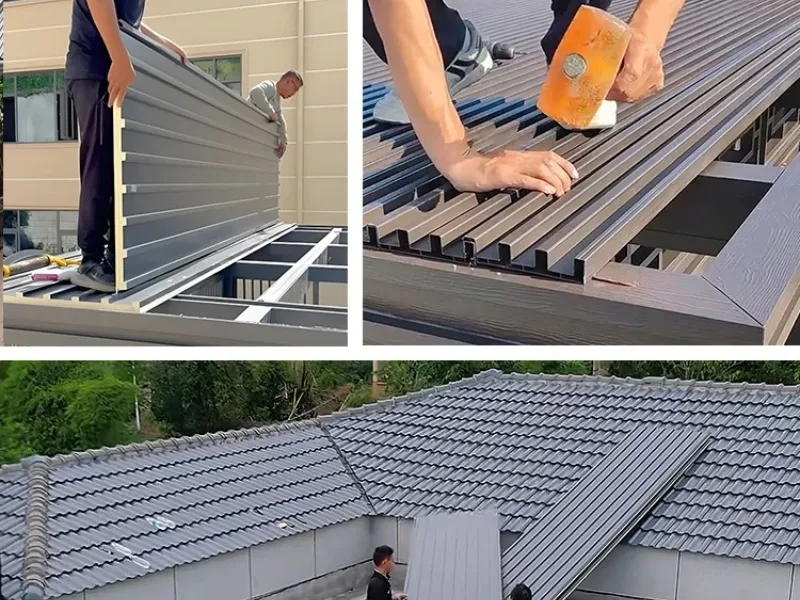
Professional concealed interlocking installation techniques ensure every aluminum panel is tightly connected, evenly distributing wind pressure across the entire roof system.
Greatwall aluminum roof cladding serves as both a guide and reinforcement. The iconic Greatwall aluminum roof cladding on the tiles is not just for aesthetics. On one hand, these raised textures disrupt airflow, causing strong winds to be dispersed and flow smoothly along the tile surface, greatly reducing the direct impact on the roof. On the other hand, these raised ridges act as reinforcing ribs, significantly enhancing the overall rigidity of the material and preventing deformation of the tiles in strong winds.
Rust-proof aluminum roof tiles. The 3003H24 aluminum-manganese alloy itself has excellent corrosion resistance, and the addition of manganese further enhances its weather resistance. Furthermore, with powder coating or anodizing, it won't rust like sheet metal when exposed to water, maintaining its intact appearance even after long-term outdoor exposure. Under normal use, its lifespan can reach 30-50 years, and its strength and wind resistance will not significantly decrease throughout its service life.
Systematic and standardized installation ensures the final step is done right. Ultimately, even the best roofing material cannot provide adequate protection if installed carelessly. Corrugated aluminum roofing sheets have a complete set of standardized installation procedures, paired with high-quality stainless steel fasteners and weather-resistant sealant provided by the manufacturer. Experienced installation teams pay special attention to critical nodes most prone to problems, such as eaves, overlaps, and ridges, ensuring that every connection point is sufficiently strong and every seam is tightly sealed. This eliminates common weaknesses such as loose screws and leaks from the source, allowing the aluminum sheet to truly integrate with the roof structure.
The reason why corrugated aluminum roofing sheets are becoming an increasingly popular choice is because they solve the pain points of traditional sheet metal roofing sheets: poor wind resistance, susceptibility to rust, and short lifespan. It's not simply replacing sheet metal with aluminum; it comprehensively enhances the safety and durability of the roof from materials and design to installation.
Of course, even the best materials require proper installation and regular maintenance. Before each rainy and windy season, check for loose screws and cracked sealant at the joints. Addressing these minor issues promptly will ensure your roof truly becomes an indestructible protective umbrella, sheltering you and your family from wind and rain, allowing you to safely weather every storm.