A competent partner must demonstrate:
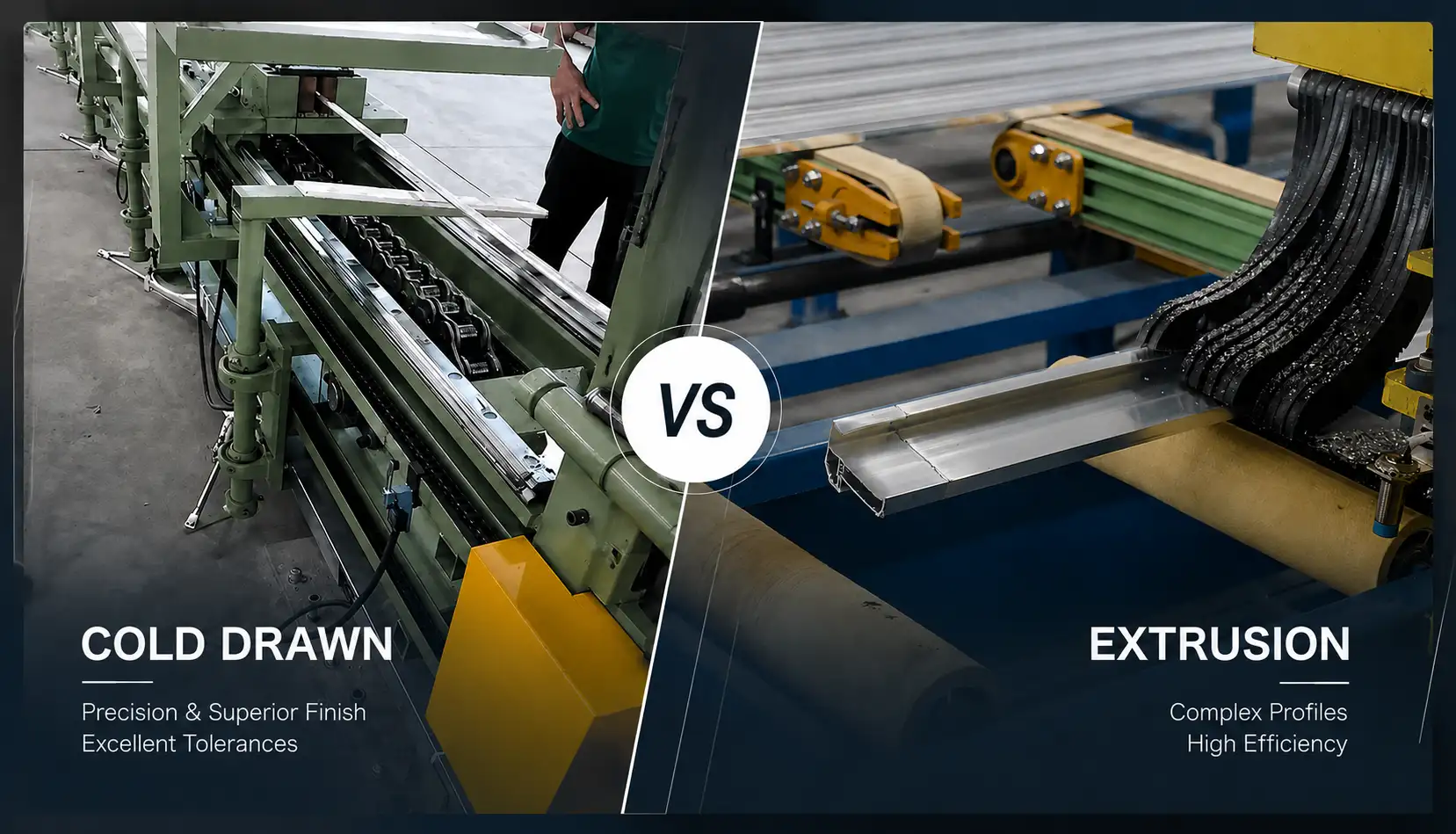
Vertical Integration: Mastery of both the extrusion and the deep processing stages.
Quality Certification: Adherence to international standards (e.g., ISO 9001, AS9100) for dimensional accuracy.
Technical Capacity: Possession of multi-axis CNC centers capable of handling the specific dimensions of long aluminum profiles.
Material selection is dictated by the required mechanical properties:
Alloy 6063: Excellent for architectural applications; responds well to standard CNC drilling and light milling.
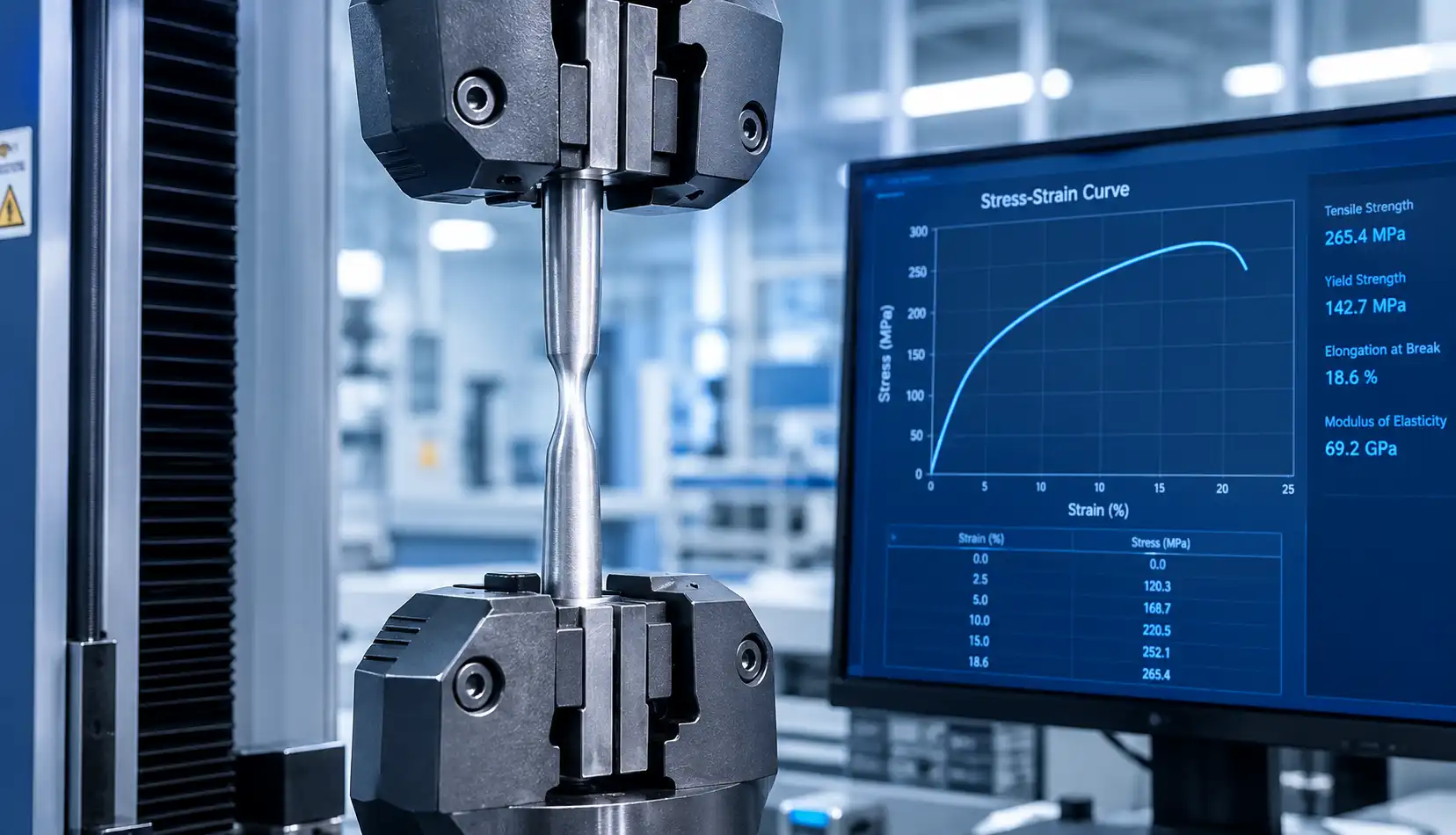
Alloy 6061: The industrial standard for machining; it exhibits superior chip formation and strength, making it ideal for high-stress parts.
Alloy 5083: Specifically utilized for marine and chemical processing equipment due to its high resistance to corrosive environments.
Integrating CNC machining within the same facility as the 2500T extrusion press creates a Vertical Supply Chain. This eliminates the logistical risks and cost markups associated with third-party fabricators. It ensures that the raw material quality (alloy composition and temper) is perfectly aligned with the machining requirements, resulting in higher yield rates and lower total project costs.
CNC machining is the primary fabrication method for critical components across multiple sectors:
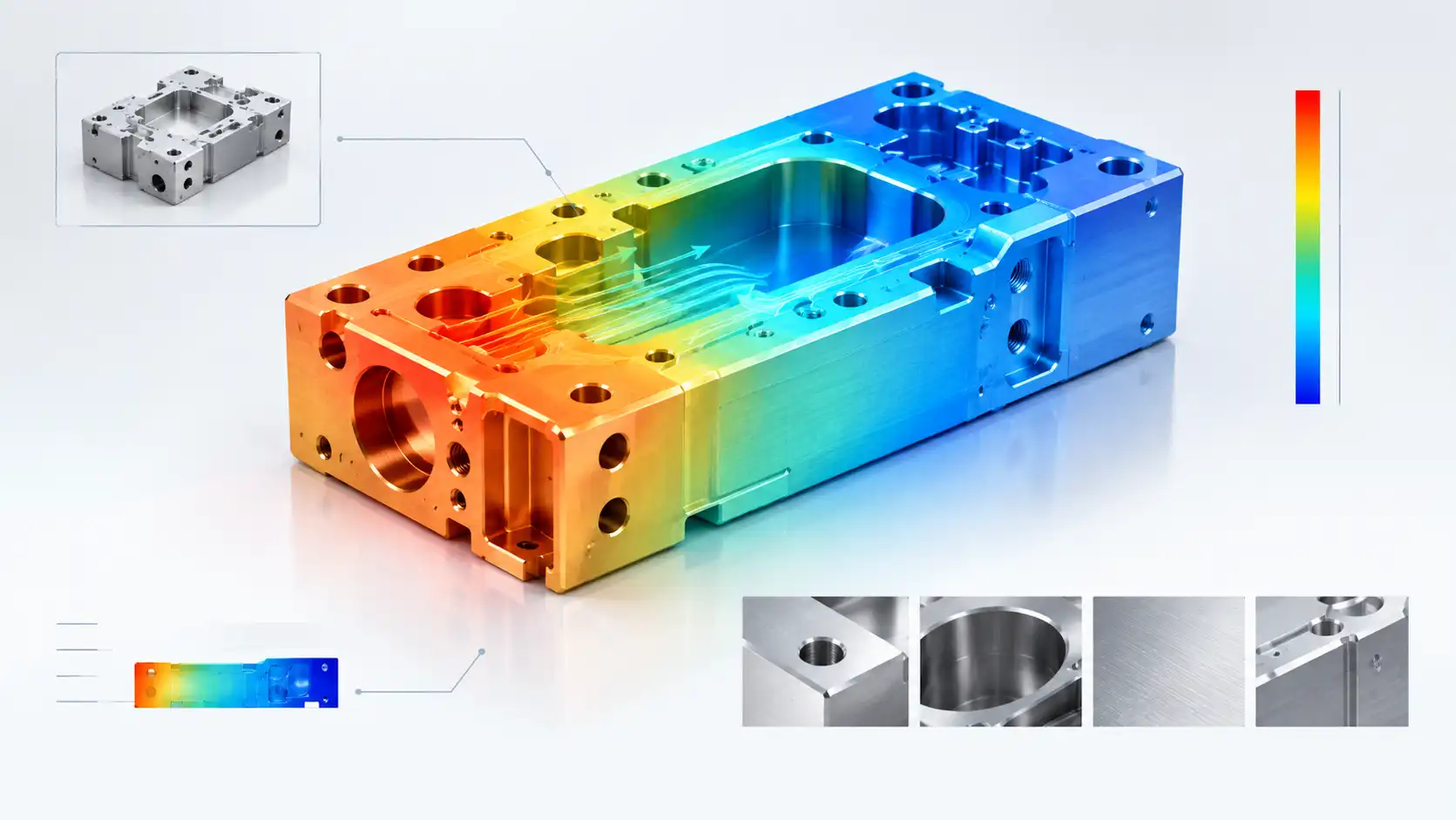
Thermal Management: Precision-milled heat sinks for power electronics.
Industrial Automation: Frames and brackets for robotics and assembly lines.
Aerospace and Defense: Lightweight structural housings and specialized fittings.
High-End Interiors: Milled architectural hardware and custom decorative extrusions.
High Repeatability: The ability to produce thousands of identical components with negligible variance, a prerequisite for global mass production.
Geometric Complexity: The capability to mill complex contours and internal cavities that are mathematically impossible to replicate manually.
Safety and Efficiency: Automated enclosures protect operators while allowing for 24/7 continuous production cycles, significantly reducing lead times.
安全性与效率: 自动化机箱保护,同时实现全天候连续生产周期,显著缩短交货周期。
The critical differentiator is Mechanical Rigidity. Industrial aluminum deep processing requires high-mass, cast-iron or steel frames to dampen vibrations generated during high-speed cutting. DIY or desktop CNC kits (Ref: Quora/2589187) lack the structural mass and spindle power required to maintain consistent tolerances and surface finishes on 6000-series aluminum alloys. For commercial-grade applications, industrial-tier machinery is non-negotiable.
No. CNC machining is evolving rather than declining. Data from industry forums (Ref: Quora/222104911) confirms that while traditional manual machining is becoming obsolete, the demand for Advanced CNC Programming and Technical System Management is increasing. In 2026, the convergence of AI and CNC is enhancing efficiency by optimizing tool paths and predicting mechanical wear, reinforcing CNC as the backbone of global industrial fabrication.
The global industry categorizes CNC machines by their mechanical operation. For aluminum deep processing, the following types are standard:
Based on technical documentation (Ref: Quora/364699612), an industrial CNC center comprises four indispensable subsystems:
Machine Control Unit (MCU): The electronic brain that decodes program instructions.
Drive System: High-precision Servo motors and ball screws that manage multi-axis movement (X, Y, Z, and auxiliary axes).
Spindle and Tooling: The high-speed interface where material removal occurs.
Feedback System: Closed-loop sensors (encoders) that monitor real-time positioning to ensure zero-deviation from the digital path.
CNC refers to a subtractive manufacturing process that utilizes computerized controls to operate and manipulate machine and cutting tools. In the "Deep Processing" of aluminum, CNC technology translates a digital CAD (Computer-Aided Design) model into G-code, a numeric language that governs the precise movement of the tools. This automation allows for the execution of complex milling, drilling, and slotting on extruded profiles with a level of accuracy (often within ±0.01mm) that manual intervention cannot achieve.
For long bar length aluminum extrusion, Shenghai will separate all surface contact area using non-woven fabric, then wrap outside using composite paper.For short, specific length aluminum extrusion parts, Shenghai will separate them using non-woven fabric and then put into a carton box.Shenghai can supply your own custom packing and meet your special requirement.
Yes,Shenghai requires low MOQ of 500Kg ONLY, if we customize Aluminum Extrusion for you, we will also supply a sample with a specific length for a review.After mold testing, Shenghai can modify the tooling for free according to your feedback on the sample.

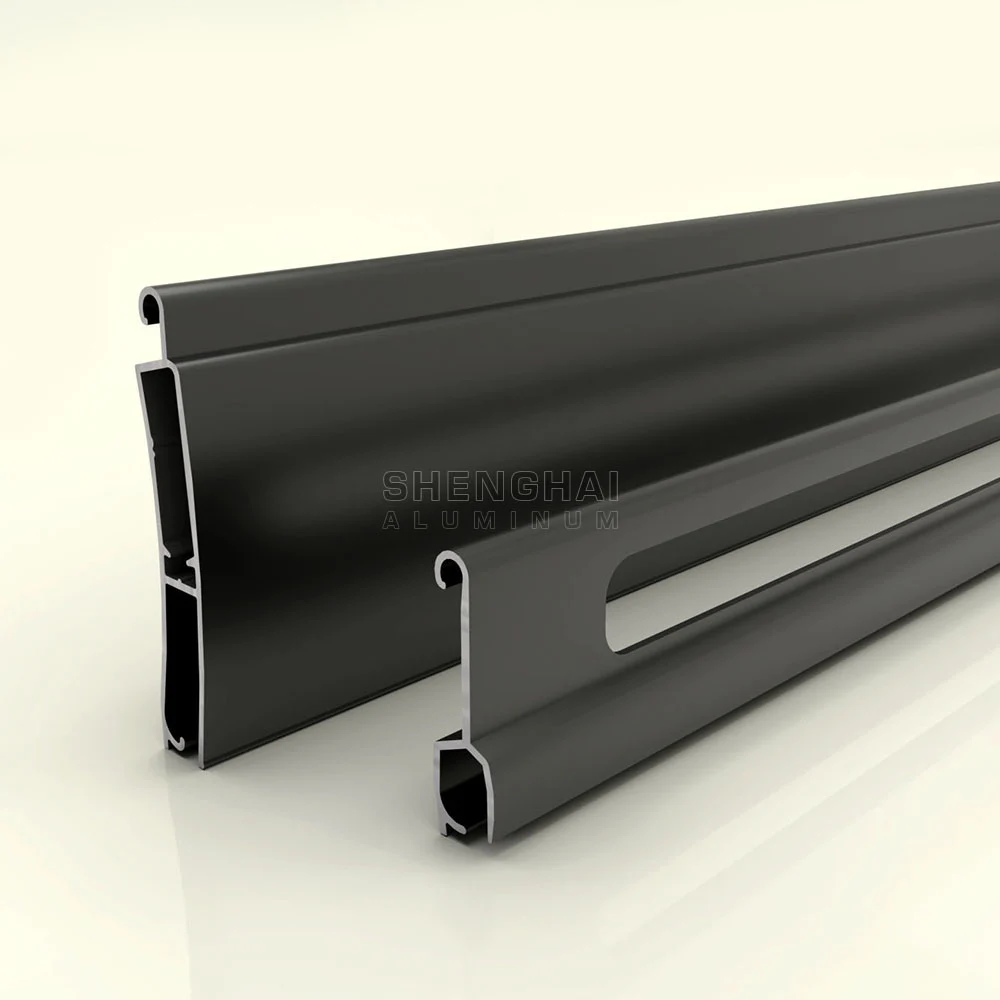
Aluminum Profiles Manufacturer.
We supply various kinds of Aluminium Extrusion with its 16+ years aluminium Industry experience. Shenghai Global is your reliable aluminum extrusion manufacturer and supplier in China.