
Ventanas de aluminio frente a ventanas de uPVC para zonas costeras
发布时间:2026-05-11浏览量:9
I. How should one choose between these two window and door materials for coastal areas?
Aluminum alloy windows and doors are recommended because they offer high structural strength and excellent wind resistance. They can be paired with large glass panels, allowing rooms or living areas to enjoy beautiful ocean views. They are particularly suitable for seaside tourist areas and high-end residential projects.
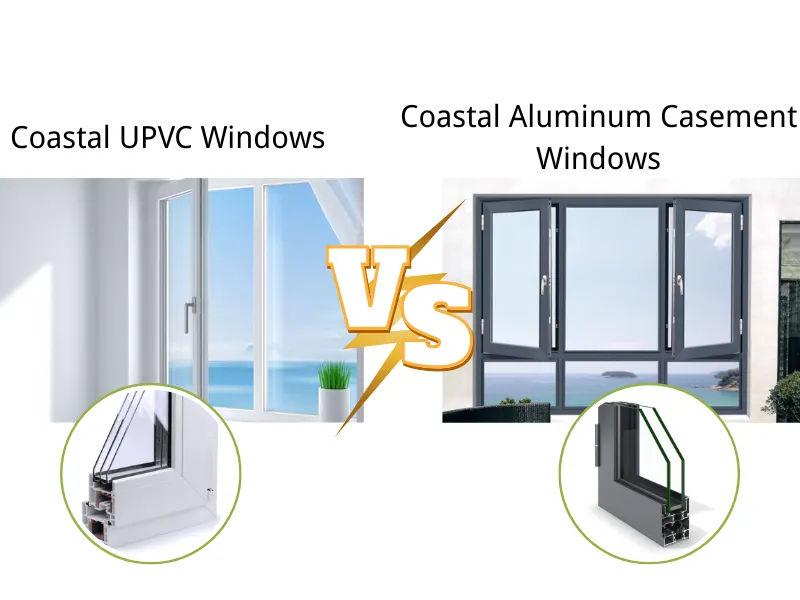
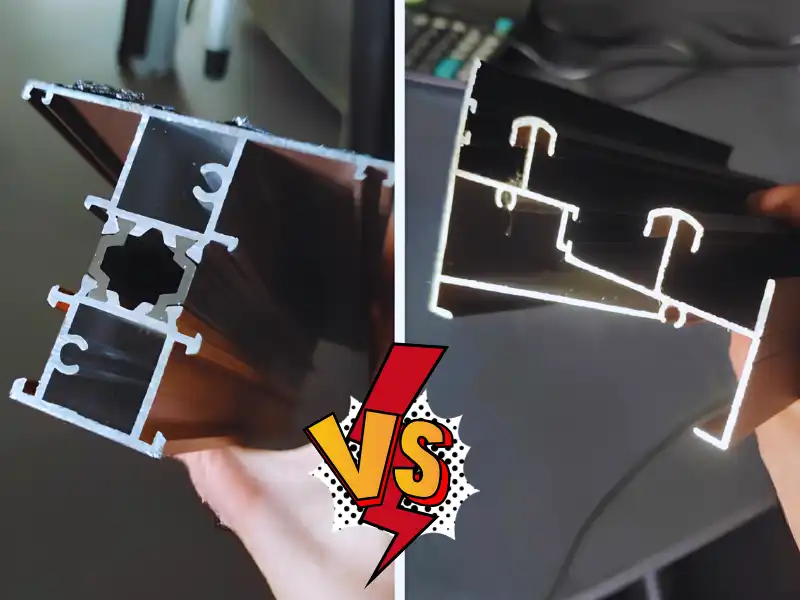
Side-by-side comparison of window materials for coastal properties. Left side shows coastal-grade uPVC windows, right side shows aluminum casement windows. Both include detailed cross-section diagrams highlighting structural differences and performance features for saltwater environments.
II. What are the primary weather conditions in coastal areas, and how do they affect the performance of windows and doors?
Salt fog environment: Coastal areas are frequently exposed to sea breezes carrying large amounts of sodium chloride particles. These chloride ions react electrochemically with metal window and door frames, causing corrosion. Typical high-salt-fog regions include Dubai, Abu Dhabi, and Jeddah.
Intense UV Radiation: At the coast, doors and windows are not only exposed to direct sunlight but also to UV radiation reflected off the water’s surface and clouds, resulting in total radiation levels far higher than in inland areas. This accelerates the aging of door and window materials, particularly uPVC, which tends to yellow and become brittle in regions with strong UV radiation (such as Riyadh and Kuwait City).
High humidity: Evaporation from the sea surface generates a large amount of water vapor, levels that are several times higher than in inland areas. When there is a significant difference between day and night temperatures, condensation droplets easily form on the surfaces of metal doors and windows; prolonged retention of these droplets accelerates corrosion and the aging of weatherstripping.
Typhoons: Typhoons are a common extreme weather event in nearly all coastal environments. Doors and windows must withstand immense wind pressure, and many materials with poor wind resistance (such as low-end uPVC) are unsuitable for these conditions.
Acid Rain: Coastal areas are often industrial hubs. Emissions of sulfur dioxide and nitrogen oxides combine with high humidity to create a more severe acid rain environment. Acid rain poses a serious threat to corrosion-prone metal doors and windows. Common coastal regions affected by acid rain include Jakarta, Kuala Lumpur, and Bangkok.
III. Why Are Aluminum Alloy Doors and Windows Well-Suited for Coastal Areas?
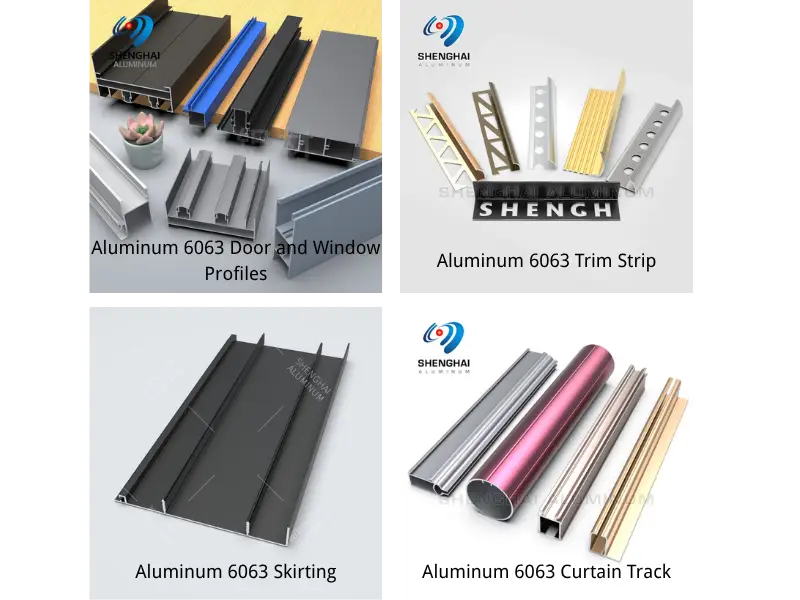
High Structural Strength: Aluminum alloy is lightweight yet high-strength. Selecting the appropriate grade (such as 6063-T5/T6) can meet most coastal wind pressure requirements; in regions with stronger typhoon winds, the higher-strength 6061 alloy can be used.
Excellent Light Transmission: Aluminum alloy frames can safely support large-format transparent glass, making aluminum-glass doors and windows ideal for seaside villas and hotels. Living by the sea, residents can clearly enjoy the ocean view through the clear glass, and floor-to-ceiling aluminum windows in particular offer the widest possible view of the surrounding environment. In contrast, uPVC, due to its insufficient material strength, struggles to support large-format floor-to-ceiling glass (even with steel reinforcement, the frame becomes thicker, obstructing the view).
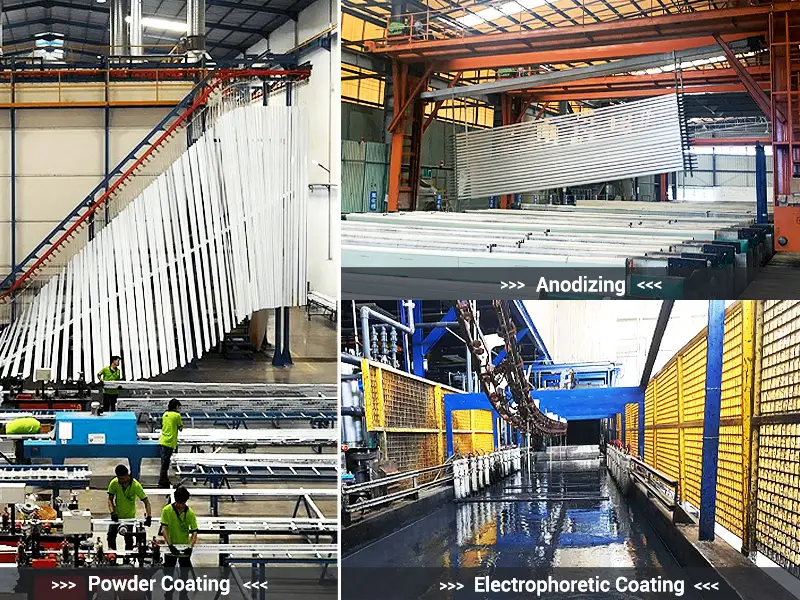
Strong UV Resistance: After powder coating (especially PVDF-based) or anodizing (AA15/AA25), the surface of aluminum alloy is virtually unaffected by UV rays, preventing fading and chalking. In contrast, as a plastic, uPVC is prone to aging, yellowing, and becoming brittle when exposed to strong UV rays over time.
Long service life: With proper surface treatment and 316 stainless steel hardware, aluminum alloy doors and windows can last 30–50 years—far longer than uPVC (which typically requires replacement after 10–20 years). For those who do not wish to replace their doors and windows frequently, aluminum alloy is the most suitable material.
Environmentally friendly and recyclable: Aluminum alloy has a recycling rate of over 90%, and recycling requires only 5% of the energy needed to produce virgin aluminum, making it an excellent eco-friendly material. In contrast, uPVC is difficult to recycle; incineration produces harmful gases, and it does not degrade easily in landfills. For environmental reasons, aluminum alloy is a more suitable choice.

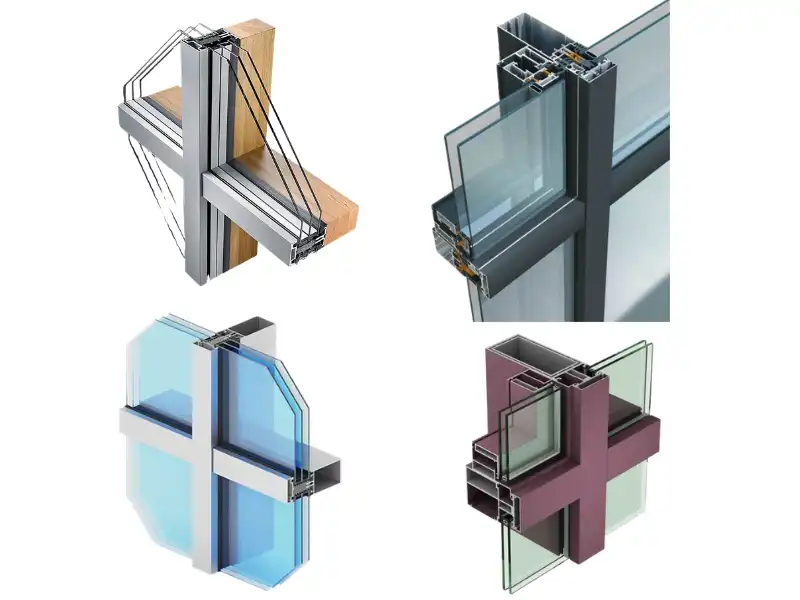
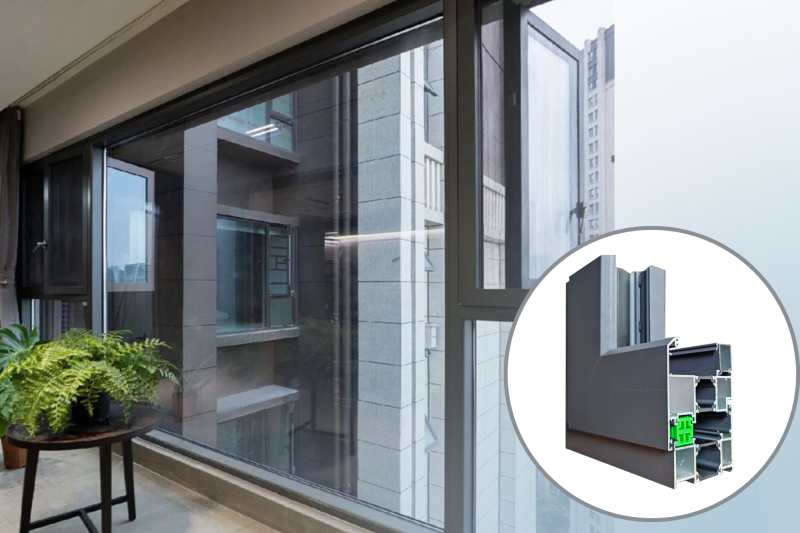
Modern high-rise residential balcony enclosed with black thermally broken aluminum windows. Features large panoramic glass panels, multi-chamber frame design, and triple sealing system for superior wind resistance, water tightness, and sound insulation - ideal for coastal high-rise properties.
IV. What are the characteristics of uPVC doors and windows?
Thermal Insulation: uPVC has low thermal conductivity, and when combined with a multi-chamber structure, it provides excellent thermal insulation.
Sound Insulation: The multi-chamber structure also provides uPVC doors and windows with sound insulation capabilities, helping to reduce the impact of wave and wind noise to some extent for coastal residents.
Salt Fog Resistance: uPVC does not react with chloride ions, giving it natural resistance to salt fog. Unlike metals, it does not require additional surface treatment, saving on initial protection costs.
Lower Initial Costs: The raw material, transportation, and installation costs of uPVC are lower than those of aluminum alloy, making it a viable option for projects with extremely limited budgets.
(Note: The limitations of uPVC—reliance on steel reinforcement for wind resistance, susceptibility to aging under strong UV exposure, and high long-term lifecycle costs—have already been discussed in the comparison in Chapter 3.)

Bright and airy modern coastal bedroom featuring floor-to-ceiling white uPVC windows that offer stunning panoramic ocean views. The light-colored interior design complements the natural seaside scenery, creating a relaxing vacation atmosphere.
V. What are the main costs for each material?
Aluminum Alloy: Cost of aluminum ingots, surface treatment costs (marine-grade powder coating or AA25 anodizing), extrusion costs, thermal break costs (PA66 thermal break strips), transportation costs, installation costs, and the cost of 316 stainless steel hardware suitable for coastal environments.
uPVC: uPVC raw material costs, costs of galvanized steel liners required for coastal construction, UV-resistant treatment costs (addition of stabilizers), extrusion costs, maintenance costs, and costs associated with replacing entire windows due to aging (typically requiring 1–2 replacements over the lifespan).